
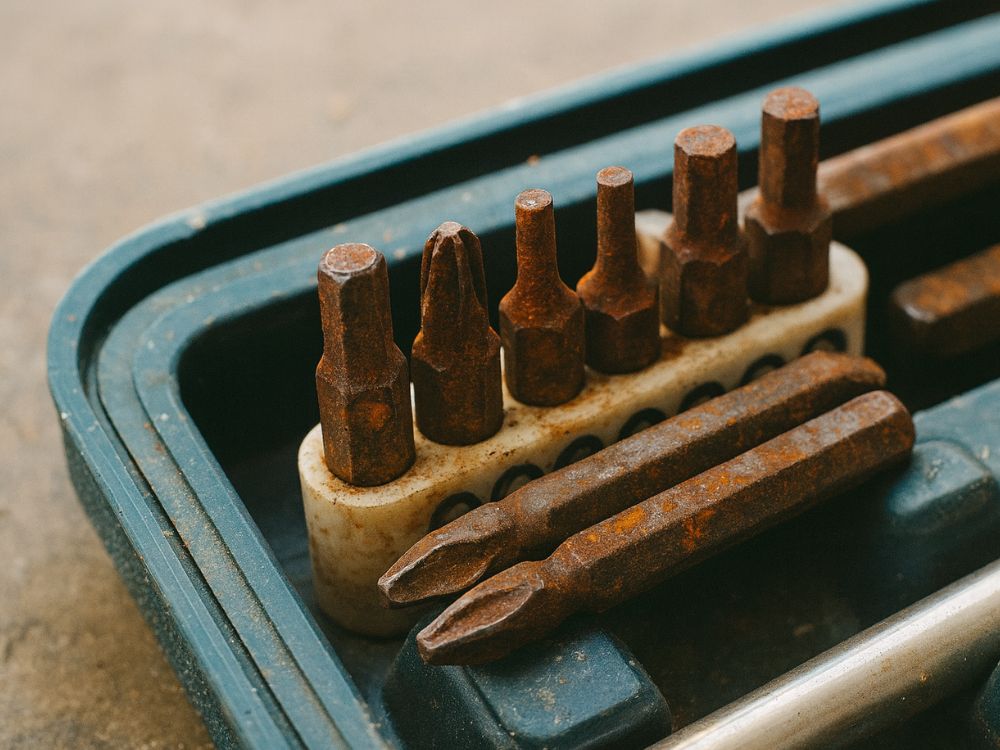
Even the most careful homeowners and gardeners occasionally forget to care for their tools. A hand trowel left outside after a long day of planting or a wrench put away before it fully dried is all it takes for rust to settle in. And once oxidation begins, it can spread quickly, weakening metal and making tools harder to use. But you don’t need specialty chemicals or expensive rust removers to bring old tools back to life. Many reliable solutions are hiding in your kitchen cabinets, laundry room, or garage—and they can dramatically cut down the time and labor normally required for rust removal.
While most methods still involve a bit of scrubbing, the right ingredients can do most of the heavy lifting for you. Before getting started, it helps to understand one important truth: removing rust is only half the job. Once the metal is clean again, tools must be washed, dried, and coated with a thin layer of protective oil before storage. Without this final step, rust will return faster than you’d expect. Garden tools may also need periodic disinfecting with bleach or alcohol to prevent plant diseases.
With those basics covered, here are 14 effective and low-effort ways to eliminate rust and corrosion from your metal tools—using supplies you likely already own.

1. Submerge Tools in a Vinegar-and-Water Bath

Vinegar is one of the most dependable household rust removers thanks to its acetic acid content. The acid dissolves iron oxide without damaging the underlying metal, making it ideal for restoring pliers, clippers, screwdrivers, and other small tools. To use this method, combine equal parts distilled white vinegar and water in a bucket or basin large enough to fully submerge the tool.
Allow the metal to soak overnight so the acid can break down the rust. When you remove the tool, lightly scrub it with steel wool or a scrub pad to lift away loosened debris. Rinse it in warm, soapy water, dry it thoroughly, and finish with a protective coat of mineral oil or linseed oil. This simple method is one of the most effective for lightly to moderately rusted pieces.
2. Treat Large or Oddly-Shaped Tools With a Vinegar Wrap

Some tools—like hedge shears, shovels, or rakes—are too large to fit into a soaking container. But vinegar can still work wonders when applied as a wrap. Fill a spray bottle with plain white vinegar and generously mist all rusted areas. Then wrap the metal in paper towels saturated with vinegar. To keep the moisture contained, cover the paper towels with plastic wrap and secure it tightly around the tool.
This creates a humid, enclosed environment where vinegar can penetrate rust without drying too quickly. Leave the wrap on for anywhere from three hours to a full day, depending on the severity of corrosion. Once unwrapped, wipe the surface clean, scrub lightly with a wire brush or steel wool, and apply oil. For long-handled tools, repeat this method in sections until all rust is addressed.
3. Use a Drill and Wire Brush Attachment for Quick Mechanical Removal

Hand scrubbing with sandpaper or steel wool gets the job done, but it’s slow and tiresome—especially when dealing with heavy corrosion. A power drill equipped with a wire wheel or wire brush attachment accelerates rust removal dramatically. The rotating bristles break up rust flakes, polish metal surfaces, and reach into grooves that are hard to clean manually.
Before beginning, secure the attachment firmly and put on protective eyewear. Use light pressure and circular motions to prevent grinding away the tool’s metal surface. After the initial cleaning, smooth any remaining rough patches with fine-grit sandpaper. Wipe the tool clean and apply a coat of oil to protect it from future oxidation. This method is especially effective for restoring sockets, wrenches, pruners, and heavily rusted hand tools.
4. Combine Lemon Juice and Salt for Acid-and-Abrasion Cleaning
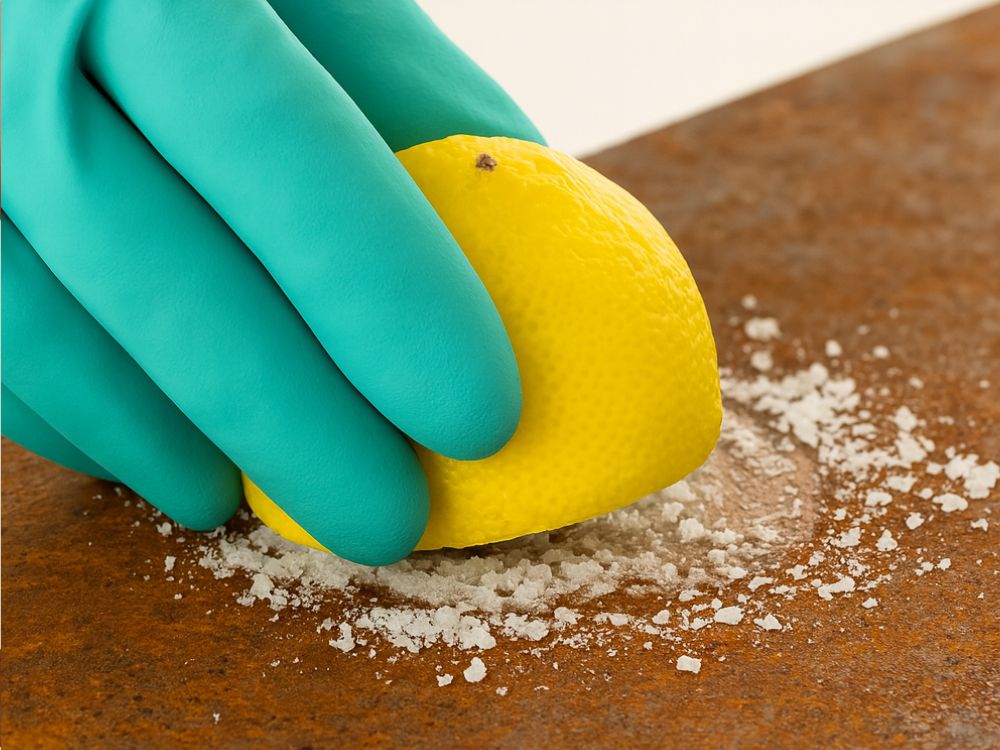
Lemon juice contains citric acid, a natural compound that breaks down rust molecules. When paired with salt, which adds gentle abrasion, the two ingredients create a powerful DIY rust remover. This method works well for blades, saws, and other flat metal surfaces.
Cut a lemon in half, sprinkle salt onto the exposed pulp, and scrub the tool using the lemon as your cleaning pad. For smaller parts or tools with narrow crevices, mix lemon juice and salt into a paste and apply it directly to the rust. Let the mixture sit for several hours if needed, especially for more stubborn rust. Rinse the tool, dry it completely, and coat it with oil. Because lemon juice is mildly acidic, wear gloves if you have any cuts on your hands.
5. Remove Rust From Chrome or Steel With Crumpled Aluminum Foil

Aluminum foil reacts chemically with rust on steel and chrome surfaces, helping dissolve it without scratching the metal. This simple trick works surprisingly well on wrenches, pliers, and tools with plated finishes. Tear a sheet of foil, crumple it into a ball with the shiny side facing outward, and rub it over the rusted areas. For tougher jobs, dip the foil in water or vinegar to boost its cleaning power.
The foil will gradually darken as it reacts with rust, so replace it as needed. Wipe away residue with a cloth and apply protective oil. This technique is especially useful when you need a quick, gentle cleaning method that won’t damage the tool’s finish.
6. Submerge Tools in a Molasses Bath for Slow but Thorough Cleaning
Molasses may seem like an unusual rust remover, but it works due to its chelating properties—it binds to metal ions, including iron oxide, and helps lift them away from the surface. This method requires patience, but it’s extremely effective for heavily rusted tools and requires almost no physical effort.
Mix one part molasses with nine parts water in a large bin. Submerge tools fully and cover the container to keep insects away. Over several weeks, the mixture will gradually break down rust, sometimes creating a fermented smell or foam on the surface—both normal signs of chemical activity. After soaking, scrub lightly to remove residue, rinse thoroughly, dry completely, and oil the metal. This long, slow method is ideal for restoring estate sale finds or heavily neglected tools.
7. Clean Tools With Soapy Steel Wool and Turpentine

Using steel wool alone requires a fair amount of scrubbing, but combining it with soap and turpentine speeds up the process significantly. Choose pre-soaped steel wool pads (the kind used for dishwashing) or tuck a piece of bar soap inside regular steel wool. Wet the pad to activate the soap, dip it into turpentine, and scrub the rusted metal in circular motions.
Turpentine helps dissolve stubborn oxidation and lubricates the surface to reduce effort. Kerosene can be used as an alternative if turpentine is unavailable. After cleaning, rinse the tool in warm water, dry it well, and coat it with oil. This is a strong method for medium to heavy rust and works well as a second step after vinegar or lemon treatments.
8. Soak Tools in Cola to Dissolve Rust With Mild Acids
Cola contains phosphoric acid—a compound used in many commercial rust removers, though in a much milder form. This makes soda a practical option when you need a gentle cleaning method that can seep into tight joints, bolts, and folds.
Choose a container large enough to submerge your tools fully. Pour in enough cola to cover them and leave the metal soaking for 24 hours or longer, depending on the level of corrosion. After soaking, rinse the tools thoroughly to remove sticky residue, then wipe away loosened rust with a cloth or steel wool. Dry the tools immediately and oil the metal to protect it. If the tools are too large to submerge, wrap rusty areas with fabric soaked in cola and leave it on overnight.
9. Use Ketchup as a Thick, Controlled Rust Remover

Ketchup’s combination of vinegar and tomato acids makes it surprisingly effective for small rust patches—especially when you don’t want to submerge tools with sensitive materials like wooden handles. The thick texture helps it stay in place on vertical or narrow surfaces.
Generously spread ketchup over rusted sections and place the tool on a tray to contain the mess. To keep the paste from drying, loosely cover it with plastic wrap. Allow it to sit for several hours, but avoid leaving it on metal for excessively long periods to protect the finish. When ready, rinse thoroughly, scrub lightly, dry the tool completely, and apply oil.
10. Dissolve Rust Fast With a Citric Acid Fizz Bath

Citric acid powder—commonly found in canning supplies or bath-product ingredients—creates an efficient soaking solution for rust removal. Hot water activates its fizzing action, which helps break down rust and lift it from metal surfaces.
Mix up to half a cup of citric acid powder with one gallon of hot water in a non-metal container. Submerge tools fully and watch the bubbling reaction begin. After about an hour, check the progress. If rust remains, return the tool to the bath for additional soaking. Once clean, rinse the metal thoroughly, dry it, and apply oil. Citric acid is more concentrated than lemon juice, making it ideal for heavily rusted pieces.
11. Rub Stainless Steel Tools With a Fresh-Cut Onion

When an onion is sliced, its natural compounds react with oxygen to form a mild acid called sulfenic acid. This gentle acid helps loosen rust on stainless steel tools such as knives, trowels, or pruning shears. Pair it with fine-grit emery paper for an even better result.
Begin by lightly sanding the rusted areas with emery paper, then rub a freshly cut onion over the metal. Larger tools may require multiple slices to cover their surfaces. Rinse away the loosened rust flakes, dry the tool thoroughly, and oil the metal. For lightly rusted stainless knives, even chopping an onion may help remove oxidation before finishing with a good rinse and dry.
12. Lift Rust With WD-40’s Dissolving Properties
WD-40 is commonly used as a rust preventative, but it also works well to dissolve existing rust. Spray it directly onto light or moderate rust and allow it to sit for several minutes. The lubricating formula penetrates corrosion, making it easier to lift with steel wool or a wire brush.
For tools with tougher or thicker rust, use a rust-remover soak from the same product line. Depending on how severe the corrosion is, tools can soak for several hours or overnight. Once clean, rinse or wipe the tool dry, then apply protective oil to prevent future rust.
13. Create a Baking Soda Paste for Targeted Rust Spots
Baking soda offers a gentle scrubbing action without scratching metal, making it ideal for delicate tools, intricate parts, or lightly rusted sections. Mix baking soda with enough water to form a thick paste, and spread it onto rusted areas. Let it sit for an hour or longer.
Scrub gently with a stiff brush or steel wool, rinse thoroughly, and dry completely. This method is especially useful for preserving fine edges or polishing smaller items like drill bits, screwdriver tips, or precision tools.
14. Restore Darkened or Aged Metal With a Sand-and-Oil Finish
For tools that show both rust and darkened discoloration, a sand-and-oil treatment restores the surface and protects it. Use fine-grit sandpaper to smooth the metal and lift off light rust. Then apply mineral oil or linseed oil with a soft cloth, working it into the metal until the surface feels smooth and conditioned.
This technique revives older tools, improves their appearance, and helps prevent new rust from forming. It’s an excellent finishing step after using a heavier rust-removal method.
Once your tools are clean and rust-free, keeping them that way is far easier than removing corrosion again later. Dry tools thoroughly after every use, store them in a low-humidity environment, and apply a thin layer of oil regularly to protect metal surfaces. With consistent care, your tools will last longer, perform better, and resist rust even through damp seasons and heavy use.