
KEY POINTS
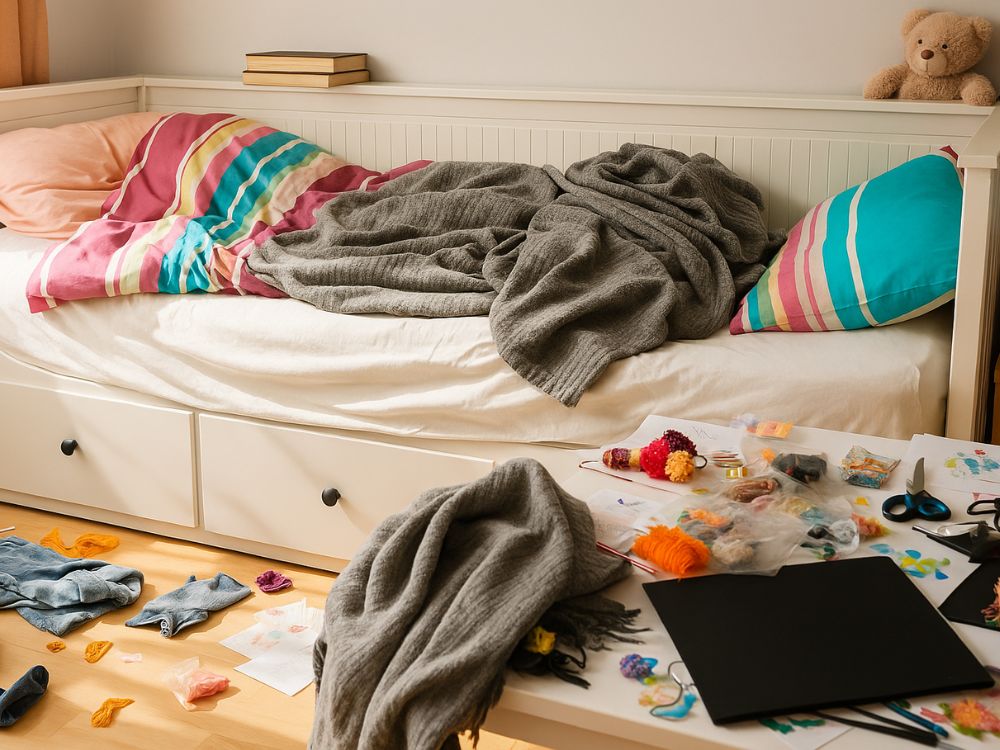
Bedrooms rarely look tidy because of clutter—not a lack of décor or storage.
Removing unnecessary items instantly makes your space feel bigger, calmer, and more functional.
A simplified room promotes better sleep, less stress, and easier daily routines.
Small removals—like spare cords, old makeup, or unused linens—create the biggest visual impact.
A Clean Bedroom Starts With Removing What You Don’t Need
You can buy all the baskets, bins, and bedroom furniture you want—but a space will never look clean if it’s overloaded with things you don’t actually use. Decluttering your bedroom isn’t about minimalism or perfection. It’s about removing the hidden chaos that quietly builds up: old linens, mismatched cords, forgotten accessories, expired products, and items you keep simply because you’ve gotten used to seeing them.
The good news? You don’t need a full weekend makeover to make a dramatic difference. Removing a few key items today will instantly make your room feel lighter, calmer, and easier to maintain. Here are 20 high-impact things to clear out first—and why they matter.

20 Things to Remove From Your Bedroom for Instant Calm
Clothes You Never Wear
Clothing is one of the biggest contributors to visual clutter, even if it’s tucked behind closed closet doors. When your wardrobe is stuffed with pieces you don’t like, don’t wear, or don’t feel confident in, the overflow spills into the rest of the bedroom—piling onto chairs, shelves, and laundry baskets. Removing unworn clothing instantly creates breathing room and makes it easier to see what you actually own. A streamlined wardrobe reduces decision fatigue in the morning and keeps surfaces clear because you no longer need a “clothes chair” or a stand-in laundry mountain. Donate or sell items that no longer fit, feel outdated, or simply don’t match your lifestyle. Your bedroom will immediately look cleaner with far less effort.
Excess Pillows
Throw pillows are beautiful… until they aren’t. When your bed is covered in more pillows than you can reasonably manage, your bedroom starts to feel cluttered and high-maintenance. A mountain of cushions creates unnecessary visual noise and makes simple tasks—like making the bed or going to sleep—take longer than they should. Instead of stacking ten decorative pillows you don’t actually need, keep only the ones that add comfort or enhance the overall style of the room. A few well-chosen pillows make a far stronger design statement than an overwhelming pile. By simplifying your bedding, you free up mental space and give your room a cleaner, more intentional look.
Expired Makeup, Lotions & Beauty Products
Beauty products tend to accumulate silently—gift sets, impulse purchases, trial samples, and formulas we once loved but no longer use. Expired products not only lose their effectiveness but can irritate your skin or cause breakouts. They also take up valuable drawer space, leaving your vanity looking chaotic even when you try to keep it organized. Sorting through your collection and removing anything expired, unused, or simply not suited to your routine instantly refreshes your bedroom. Keep a streamlined set of skincare and makeup you genuinely reach for, and store the rest out of sight. A minimalist beauty setup clears both physical space and mental clutter.
Old Cords, Chargers & Tech You No Longer Use
Every home seems to have a “mystery cord drawer,” and the bedroom is usually where outdated cables end up. Old chargers, broken headphones, duplicate power banks, and technology you haven’t touched in years can quickly create tangled messes in drawers and nightstands. These items not only look disorderly but also make it harder to find the cords you actually need. Clearing out obsolete tech allows your drawers to function properly again and helps you build a clutter-free charging area. Keep only what belongs to devices you currently use—everything else can be recycled or donated. A cleaner tech setup instantly modernizes the feel of your bedroom.
Used-Up or Unwanted Candles

Candles add warmth and personality to a room, but empty jars and scents you don’t enjoy can accumulate surprisingly fast. Holding onto candles with only a thin layer of wax left or fragrances that never suited your taste contributes to a dusty, cluttered aesthetic. A clean bedroom benefits from intentional decor, not half-used items taking up prime surface space. Keep only your favorite scents displayed, and set a limit on how many candles you have open at once. Finishing one before starting the next keeps your space neat and prevents candle clutter from overtaking your dresser or nightstand.
Mismatched Socks
It’s a universal fact: laundry creates single socks that never find their partners. Keeping a large pile of mismatched socks “just in case” adds unnecessary disorder to your drawers and laundry baskets. Instead of letting them multiply, designate a small pouch for singles and commit to reviewing it every few weeks. If a match doesn’t appear, let it go. Clearing out mismatched socks frees up drawer space, helps you find what you actually wear, and eliminates one more small—but surprisingly annoying—type of clutter.
Extra Storage Containers
Contrary to popular belief, adding more bins doesn’t always make a space more organized. In many bedrooms, excess containers become the clutter. When you have more storage than necessary, you subconsciously fill it with items you don’t need. This leads to crowded shelves, overflowing closets, and the illusion of order masking actual chaos. Keep only the containers you actively use and eliminate everything else. Streamlined storage helps you find things faster, prevents “junk baskets,” and keeps your room visually lighter and more open.
Sheets & Pillowcases You Don’t Use

Linens take up a surprising amount of space, especially when you store multiple sets. Realistically, you only need two sets of sheets: one for the bed and one clean backup. Extra linens create bulky stacks that clutter closets and bedroom drawers, making it difficult to keep everything tidy. Worn-out sheets, outdated patterns, or seasonal themes you never reach for should be donated or repurposed. Keeping your linen selection intentionally minimal makes laundry rotation easier and gives your storage areas a cleaner, more curated feel.
Journals You Haven’t Filled—And Probably Never Will
Journals are wonderful, but half-used notebooks quickly turn into visual clutter. Many people start fresh with a new journal every time they intend to “get organized,” leaving behind stacks of barely filled pages. These unused notebooks take up shelf space, weigh down drawers, and add to the feeling of unfinished tasks. Keep one high-quality journal that genuinely supports your routine and donate or recycle the rest. A single, intentional journal encourages consistency and prevents piles of forgotten notebooks from cluttering your room.
Purses, Bags & Totes You Don’t Reach For
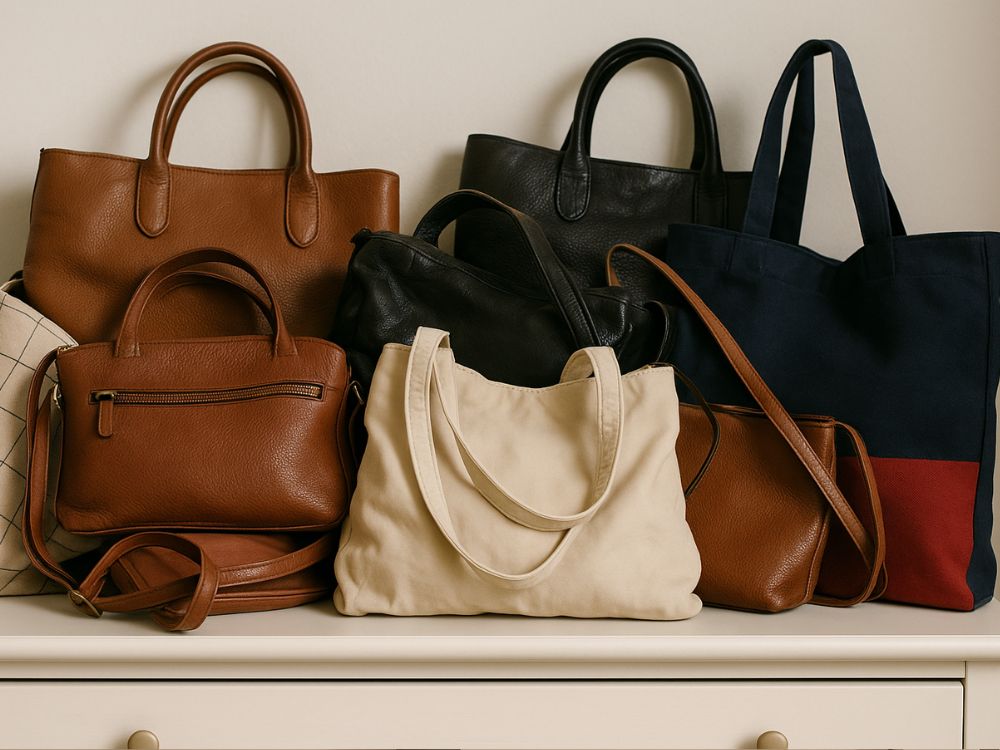
Bags can dominate a closet when you own more than you realistically rotate. Oversized totes, once-trendy handbags, or styles that no longer suit your lifestyle quickly take over shelves and hooks. A cluttered bag collection often leads to accessories piling onto dressers or bedroom corners when there’s no space left to store them. Keep only your regular go-to pieces—everyday bag, evening bag, and maybe one tote for errands. The rest can be sold, donated, or stored elsewhere. A simplified bag collection helps your closet feel intentional rather than crowded.
Extra Hangers
A closet overflowing with hangers—even when empty—creates unnecessary visual chaos. Mismatched materials, broken clips, and extra hangers stuffed at the ends of rods make your space feel disorderly, even if your clothing is neatly arranged. Investing in a uniform set of hangers and keeping only the amount you truly need makes your closet look instantly polished. The more consistency you have in materials and colors, the cleaner and more elevated the overall space feels.
Books You Don’t Read
A stack of unread or half-finished books on a nightstand can make the room feel chaotic. Books are meant to be enjoyed—not stored indefinitely as clutter. Keep only a small selection of titles you’re actively reading or plan to read soon. Everything else can be donated to free up valuable space. This small shift transforms your nightstand from a clutter-catching surface into a calm and functional bedside area that supports your wind-down routine.
Cups, Mugs & Dishes

It only takes a few days of “I’ll take it later” for dishes to pile up in the bedroom. Coffee mugs, snack plates, or empty water bottles create visual clutter and can even attract bacteria over time. Building a habit of returning dishes to the kitchen each day keeps your room cleaner without any major effort. A dish-free bedroom also encourages better sleep habits by keeping food out of your relaxation zone.
Hair Accessories You Never Use
Hair accessories multiply fast—clips, elastics, scrunchies, headbands, and everything in between. Many of them become stretched out, damaged, or simply abandoned. When scattered across dressers and drawers, they contribute to a messy, unpolished look. Sort through your collection and keep the high-quality pieces you actually use. Store them together in a small tray or container so they stay accessible yet controlled. A tidy accessory area keeps your morning routine smoother and your bedroom more visually peaceful.
Dead or Dying Plants
Plants add life, texture, and natural beauty to a bedroom—but wilted leaves and struggling pots do the opposite. A dying plant creates visual stress and signals neglect, even if the rest of your room is tidy. If you don’t have the time or conditions to help a plant recover, it’s better to let it go. Replace it with a hardy, low-maintenance variety or a high-quality faux plant. Healthy greenery enhances calm energy; dying plants disrupt it.
Word Art & Loud Décor
Design trends evolve, and heavy word art—quotes, slogans, large lettering—can quickly make a room feel busy or outdated. Similarly, décor with clashes of bold patterns or too many colors pulls attention in every direction. Bedrooms benefit from serenity, not overstimulation. Swapping loud décor for softer artwork, textured pieces, or minimalist photography instantly calms the atmosphere. Your eyes deserve a place to rest—not a wall full of competing messages.
Furniture You Don’t Actually Use
A bedroom should be functional and restful, yet many people keep extra furniture simply because there’s space for it. Unused chairs, bulky dressers, or benches that only hold clothes create unnecessary obstacles and make the room feel smaller. Removing furniture you don’t actively use opens up valuable floor space and brings a lighter, more breathable feel. Keep the essentials—bed, nightstands, and one purposeful seating option if needed.
Pet Toys & Pet Accessories Everywhere
We love our pets, but their toys scattered across the bedroom can quickly make a space feel chaotic. Random chew toys, soft plushies, or pet beds shoved into corners disrupt the calm environment you’re trying to create. Instead, set up a designated basket your pet can easily access. This keeps toys contained while still allowing your furry friend to enjoy the space. Your room remains clean—without sacrificing their comfort.
Alarm Clock You Don’t Need
If your phone or smart hub already handles alarms, timers, and nighttime routines, an old alarm clock becomes redundant clutter. Removing it frees up nightstand space and keeps your room visually streamlined. The fewer items on your bedside table, the more serene your nighttime environment becomes. A clear nightstand encourages better sleep habits and reduces mental distractions before bed.
Obvious Trash
It sounds simple, but small pieces of everyday trash—clothing tags, tissues, receipts, wrappers, old water bottles—create a surprisingly large amount of visual clutter. These items accumulate quickly on dressers, in drawers, or beside the bed. Keeping a small, stylish waste bin in your bedroom prevents buildup and makes it effortless to maintain a clean room. Tiny habits make the biggest difference in long-term tidiness.
How to Keep Your Bedroom Clean Long-Term
Decluttering once makes a difference—but daily habits keep it that way:
- Use the 60-second rule: If it takes under a minute to put away, do it now.
- Make your bed daily: It sets the tone for the room.
- Keep nightstands minimal: Only essentials belong there.
- Do a weekly reset: Collect dishes, remove trash, fold clothes, empty pockets.
- Don’t buy storage until after decluttering: Otherwise, you store clutter instead of eliminating it.
Frequently Asked Questions
How often should I declutter my bedroom?
A quick weekly tidy-up and a deeper declutter every two to three months works best.
What’s the fastest way to make my bedroom look clean?
Remove surface clutter—dishes, extra pillows, clothing piles, and trash. These make the biggest visible impact.
Which items give the biggest “instant difference”?
Clothing piles, nightstand clutter, cords, dishes, unused pillows, and expired products.
Should I buy more storage to stay organized?
Only after decluttering. Too many containers create more clutter, not less.
Why does my bedroom still look messy even after cleaning?
Usually because there’s too much stuff. Visual clutter—like too many colors, accessories, and furniture—overwhelms the space.