
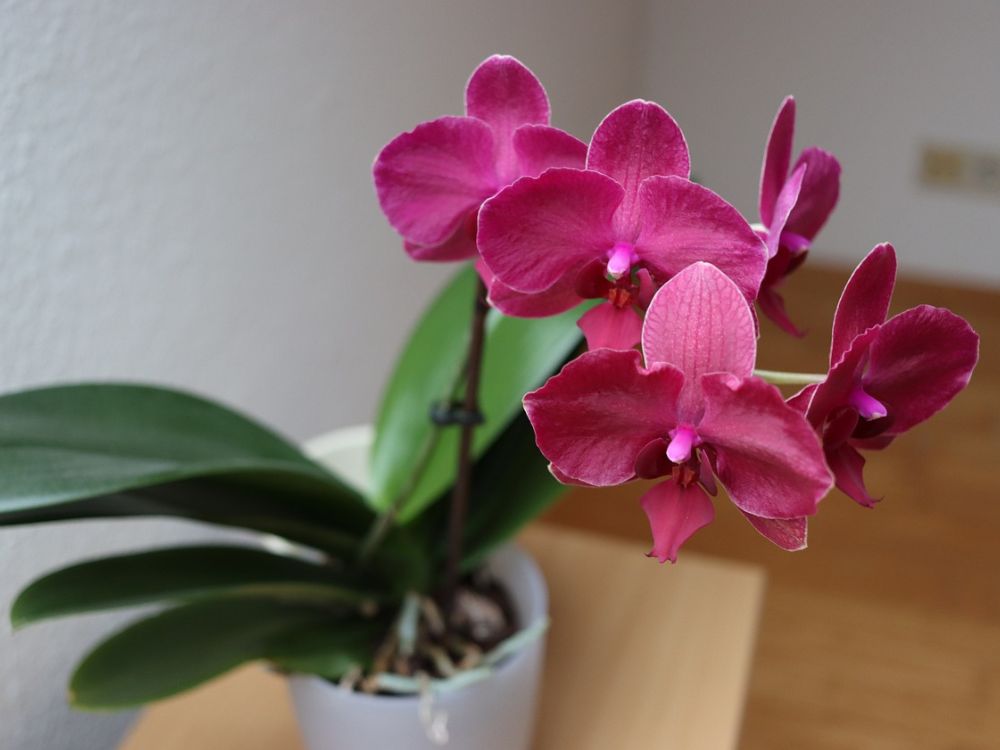
Orchids are some of the most elegant plants you can bring indoors. Their tall, slender stems and soft, sculptural blooms make them feel equal parts décor and living artwork. And while orchids are often praised for being low-maintenance, they do depend on proper care to bloom again each year. The right balance of light, nutrients, water, and temperature changes is what convinces the plant to shift its energy from simple growth into flower production.
Skipping fertilizer, watering too frequently, or keeping an orchid in dim light all make reblooming less likely. Even keeping the plant in a home with consistent temperatures can hold it back. With the right approach, though, you can easily support your orchid through its natural cycle and enjoy fresh, vibrant blooms annually.
Below is a complete, professional guide to understanding what your orchid needs—and how to troubleshoot if your plant isn’t flowering on schedule.

Understand What Kind of Orchid You Have
With more than 25,000 known species, orchids vary widely in shape, growth patterns, and bloom timing. Many basic care needs are similar, but the specifics—like how much light or temperature variance they prefer—depend on the exact type you’re growing.
Before diving into a care routine, identify your orchid and learn what climate it naturally comes from. Moth orchids (Phalaenopsis) are the most common and easiest for beginners, but other varieties may need different light levels or cooler seasonal rest periods. Once you know your plant’s natural growth cycle, it becomes much easier to support predictable reblooming.
Give Your Orchid Bright, Indirect Light
Moth orchids bloom most reliably when they receive strong but indirect light. They can tolerate low-light rooms, but don’t expect abundant flowers without a brighter setting.
A spot near an east- or west-facing window is ideal, placing the plant within about two or three feet of the glass. If you live in a northern region with softer sunlight, a south-facing window can work as well. The goal is gentle brightness—not harsh sun that burns the leaves.
If the leaves look very dark green, your orchid likely needs more light. Pale or yellowing leaves usually indicate too much.
Water Gently and Only When Needed
Watering is where most orchid owners go wrong. These plants prefer to dry out slightly between waterings, and they dislike sitting in overly damp soil.
A good guideline is watering approximately every 10 to 14 days, though this varies based on your home’s temperature, humidity, potting mix, and light levels. Always check the potting medium first—if it feels dry, it’s time to water. If it still feels damp, wait.
When in doubt, it’s safer to underwater than overwater. Orchids handle dryness much better than soggy roots.
Fertilize Throughout the Year
Blooming takes energy, and orchids need steady nutrients to support both healthy leaves and flower spikes. Use a fertilizer formulated specifically for orchids, or dilute a standard houseplant fertilizer significantly so the plant receives only a gentle feeding.
A common method is mixing one part fertilizer with three or four parts water, depending on the product instructions. Light, regular feeding helps the plant store enough energy for its yearly bloom cycle.
Consistent nourishment also helps prevent weak spikes, pale leaves, and delayed flowering.
Monitor Temperatures to Encourage Blooms
Some orchids require a distinct “rest period” where temperatures drop slightly and watering decreases. This shift mimics seasonal changes in nature and encourages the plant to initiate new bloom spikes.
A day-to-night temperature difference of about 10 to 15 degrees works well for most varieties. Moth orchids respond especially well to cooler nights around 55°F (12–13°C) for a couple of weeks. This subtle chill often signals to the plant that it’s time to start forming buds.
Avoid placing orchids in areas that consistently reach above 85°F, as prolonged heat can cause the plant to stall or drop buds.
Decide Whether to Trim Old Flower Spikes
Whether or not you trim the flower spike after an orchid blooms depends on your preference. If the stalk is still green, you can leave it intact and sometimes a secondary bloom will appear. If it has turned brown and dried out, remove it completely at the base—it won’t rebloom.
Some people prefer trimming green spikes to redirect the plant’s energy into producing a stronger bloom the following year. Others leave the spike for potential side-shoot blooms. Either option is acceptable and won’t harm the plant’s ability to rebloom.
Why Your Orchid Might Not Be Blooming
If your orchid hasn’t produced flowers this year, it’s usually due to one of a few common issues. Here’s how to pinpoint what went wrong.
Insufficient Light
Orchids need enough light to build energy reserves for flowering. If the plant is in a dim corner or far from a window, it may only focus on leaf growth.
A brighter location—adjusted gradually so the plant isn’t shocked by sudden sun exposure—can help trigger blooms. Slow changes prevent sunburn and help the orchid adapt comfortably.
Stress or Poor Growing Conditions
Orchids divert all their resources toward survival when stressed. Overwatering, underwatering, pests, drafts, or root damage can all halt blooming.
If your plant seems to be struggling, evaluate its potting mix, moisture level, and placement. Correcting the source of stress helps the plant resume normal growth and eventually rebloom.
Lack of Nutrients
Skipping fertilizer for months at a time can leave your orchid too depleted to produce flower spikes.
Regular feeding gives the plant enough strength to grow leaves, roots, and blooms in a balanced way.
No Temperature Variation
Many homes keep a steady thermostat year-round, but orchids need cooler nights to trigger flowering. Without that day-night shift, the plant continues producing leaves instead of flowers.
Providing even a slight temperature difference can be the key that resets its bloom cycle.
Your Orchid Is Off Its Natural Schedule
Orchids sold in stores are often forced into bloom outside their natural season so they look attractive on display. This can throw off the plant’s internal clock.
A plant purchased blooming in fall may not bloom again until the following spring—or even the next year. Once your orchid adjusts to your home’s conditions, it will settle into its own yearly rhythm.