
Key Points
Hydrogen peroxide is a powerful, natural cleaning agent with disinfecting properties.
It eliminates bacteria, fungi, stains, mildew, and soap residue without the harshness of bleach.
Its effectiveness increases when paired with baking soda or given longer contact time in dark conditions.
A sparkling shower shouldn’t require harsh chemicals or constant scrubbing. Hydrogen peroxide, a gentle yet highly effective disinfectant, can tackle soap scum, mildew, and lingering bathroom odors—all while keeping your space healthier and brighter. This simple ingredient works on everything from tile and grout to glass doors and tubs, making it one of the most versatile cleaners you can keep at home.
Below is a complete, step-by-step guide to deep-cleaning your shower with hydrogen peroxide and getting rid of stubborn buildup for good.

How to Clean a Shower With Hydrogen Peroxide
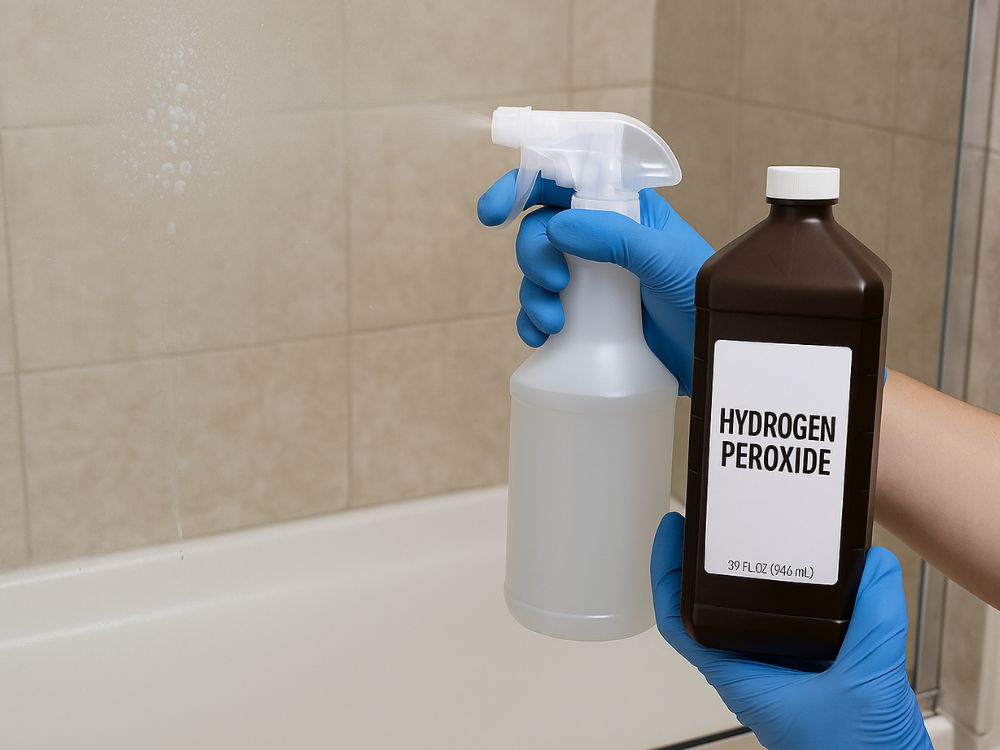
Hydrogen peroxide is most effective in its standard 3% solution, and you can use it straight from the bottle—no dilution required.
1. Prep With a Spray Bottle
Start by pouring the solution into a spray bottle. Coat the shower walls, floor, and glass generously, ensuring all surfaces are damp. Allow it to sit for at least 10 minutes so it can loosen grime and disinfect the area thoroughly.
2. Scrub the Surfaces
Using a non-abrasive scrub brush or microfiber cloth, work in circular motions across the surfaces. Pay special attention to corners, grout lines, and textured areas where buildup tends to collect. This step helps break down residue and lift away bacteria.
3. Rinse and Dry
Rinse the entire shower with warm water, removing all traces of the solution. Finish by drying the surfaces with a clean towel to prevent water spots and keep the glass streak-free.
Why Hydrogen Peroxide Cleans So Effectively
Hydrogen peroxide works through oxidation, breaking down the cell walls of bacteria, fungi, and viruses. This makes it a powerful cleaner that also doubles as a disinfectant. Because it is gentle on most bathroom materials and free from strong chemical fumes, it’s an ideal alternative to bleach for regular shower maintenance.
How to Remove Tough Soap Scum and Mildew
Some areas of the shower require a more targeted approach, especially where soap scum and mildew accumulate.
For Soap Scum
Spray hydrogen peroxide directly onto the buildup. Then sprinkle a thin layer of baking soda over the area. The bubbling reaction helps to loosen the film, making scrubbing much easier. After the fizzing slows down, scrub and rinse well.
For Mildew
Soak cotton pads or paper towels with hydrogen peroxide and press them onto stained grout or silicone caulk. Leave them in place for 30–60 minutes. When you remove the pads, scrub with a firm brush to lift away the mildew. This method delivers deep cleaning without relying on bleach.
Best Tips for Using Hydrogen Peroxide in the Shower
It Works Better in the Dark
Hydrogen peroxide breaks down when exposed to light, which is why it’s sold in dark bottles. For maximum cleaning power, spray your shower in the evening and leave it to sit overnight with the bathroom light off. By morning, it will work more effectively on mold, mildew, and soap residue.
Always Rinse With Warm Water
Warm water boosts hydrogen peroxide’s ability to lift dirt and break down organic residues. It also helps remove leftover product so no film or water spots appear the next time you shower.
Give It Enough Contact Time
One of the biggest mistakes is wiping peroxide too soon. It needs several minutes of contact to sanitize and brighten surfaces. Aim for at least 10 minutes, and longer for tough stains.
Add Baking Soda for Extra Strength
For heavy buildup, combine hydrogen peroxide and baking soda to form a paste. Spread it onto problem areas, let it sit for about an hour, then scrub and rinse. This combination dissolves stubborn soap scum that ordinary scrubbing can’t remove.