
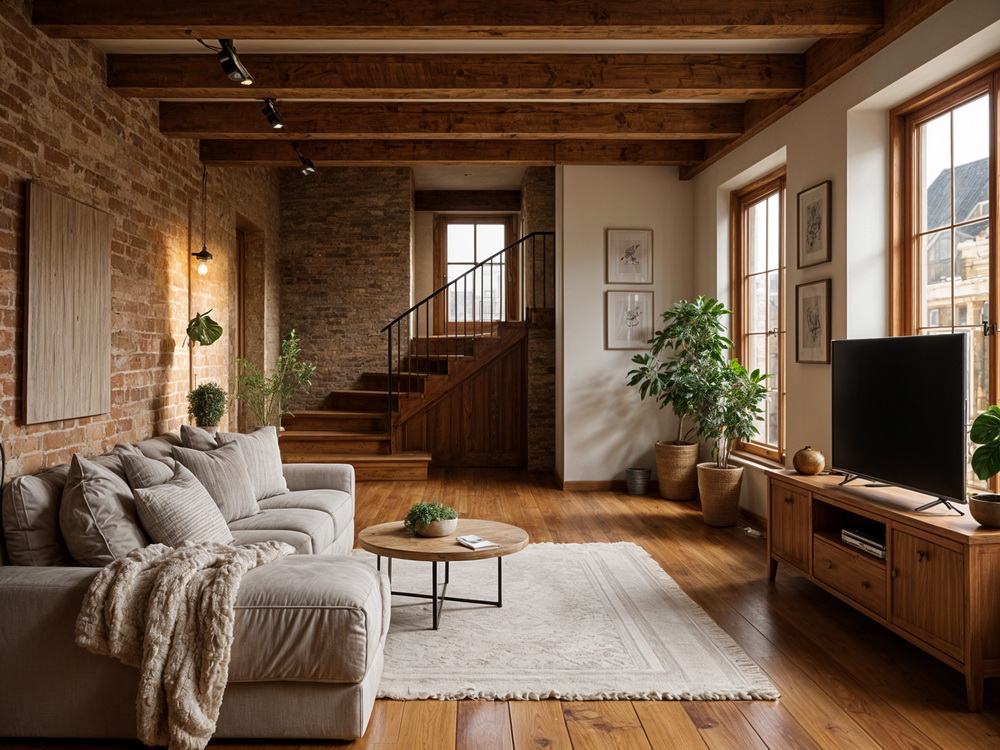
In interior and exterior design, few techniques can transform a room as effectively as skillfully combining a variety of materials. Whether you’re updating a kitchen, giving your living room a facelift, or revamping your garden, mixing materials introduces dimension, interest, and that sought-after designer flair—without requiring a limitless budget. This article offers actionable strategies for blending textures, finishes, and surfaces to create visually stunning environments while keeping your spending in check.
The Essentials of Mixing Materials

Each material brings its own personality and vibe to a space. The true artistry emerges when you thoughtfully layer different materials, making your home feel more lively, engaging, and uniquely yours. From years of working on both residential and commercial projects, I’ve noticed that the most memorable interiors always feature an intentional mix of materials, sparking a visual conversation throughout the space.
Core Guidelines for Material Blending

1. Harmony Through Contrast
Striking the ideal equilibrium while ensuring enough contrast is essential when combining different materials. This interplay is what gives a room its visual intrigue. For instance, juxtaposing polished metal elements with the coarse grain of wood creates an engaging dynamic that captures attention without dominating the overall aesthetic.
2. Mindful Sizing and Balance
As you combine different materials, consider their scale in relation to your room’s size. Substantial materials like stone or concrete are best offset by incorporating lighter features, such as glass or slim metal accents. Keeping these proportions in check helps prevent any one material from overpowering the space visually.
3. Start With a Base
A successful material mix often starts with a dominant element. Choose a main color or material to serve as the backdrop, then layer in secondary textures and finishes. This method keeps the look cohesive while giving you the freedom to experiment with combinations.
4. Play With Texture
Texture adds both dimension and tactile richness to a space. Blending sleek surfaces with more rugged textures creates a lively and welcoming environment. For example, in a recent mountain residence, we paired polished concrete flooring with rustic timber beams and plush linen seating—this contrast allowed each material’s unique qualities to shine.
Affordable Materials That Pack a Punch

You don’t have to spend a fortune to make a statement with your material choices. Here’s a look at budget-friendly options that deliver impressive style:
Table: Budget-Conscious Materials and Their Best Uses
| Material | Estimated Price | Ideal Uses | Visual Effect | Longevity |
|---|---|---|---|---|
| Crushed Stone | $20-50/ton | Walkways, driveways, garden borders | Medium | High |
| Organic Mulch | $2-6/bag | Flower beds, landscaping | Medium | Low-Medium |
| Reclaimed Pallet Wood | $0-5/pallet | DIY projects, outdoor structures | High | Medium |
| Concrete Tiles | $2-5/sq ft | Patios, paths | High | Very High |
| Mixed Metal Accents | Varies | Hardware, lighting, décor | High | High |
| Assorted Decorative Tiles | Varies | Feature walls, kitchen backsplashes | Very High | High |
Choosing Between Natural and Synthetic

Opting for natural materials often results in a more refined and upscale look. Elements such as cotton, linen, marble, and wood bring a sense of authenticity and enduring style that many synthetic options can’t easily match. However, well-made synthetics can be practical and attractive alternatives, especially in outdoor settings or areas where exposure to moisture is a concern.
Smart Spending: Where to Invest and Where to Save
In any design endeavor, some features deserve a greater share of your budget because they are highly visible, frequently used, or play a pivotal role in defining the space’s overall style.
List: Where to Allocate Your Budget
- Durable flooring – major influence on your space’s atmosphere
- Key furniture pieces – anchors that define each room
- Eye-catching lighting – adds instant character and focus
- Kitchen surfaces – especially islands and countertops
- Superior textiles – elevate comfort and style through drapes, rugs, and upholstery
Where to Economize
- Decorative accents – easily swapped for seasonal updates
- Secondary furniture – side tables and occasional seating
- Trendy items – likely to go out of style quickly
- Hidden elements – rarely seen or used features
- DIY projects – tasks you can confidently tackle yourself
I’ve witnessed outstanding results using the “high-low” strategy in clients’ spaces. For example, one client invested in a custom leather bed costing over $8,000, but balanced the budget by selecting vintage nightstands for less than $100 and giving them a new look with a fresh coat of paint. The finished bedroom exuded elegance and looked far more luxurious than what was actually spent.
Room-by-Room: How to Mix Materials Effectively
Living Areas

Living rooms and family spaces can be greatly enhanced by carefully blending a variety of materials.
When adding metals to these areas, it’s wise to choose one as the primary finish to set the overall mood. For instance, selecting stainless steel as your main metal and then introducing touches of matte black through lighting or hardware creates a visually appealing contrast that feels intentional and balanced.
Mixing different textiles also brings richness and interest. Picture pairing linen drapes with a wool area rug, leather sofas, and cotton throw pillows—this mix not only looks inviting but also adds layers of tactile comfort to the room.
Kitchens and Bathrooms

Kitchens and bathrooms are ideal spaces to experiment with mixing materials for added style and function.
When selecting tiles, you don’t have to stick with just one variety. Starting with the floor is often the simplest way to introduce diversity—patterned stone tiles can bring a modern feel to an entry, while wood flooring might suit other areas of the home.
Try using different surfaces for your countertops, such as stone along the perimeter and wood for the island, to create contrast and warmth. Mixing cabinet finishes is another effective approach; for example, pair painted cabinets with a wooden island to establish a striking focal point.
When it comes to metal finishes, choose a main metal to ground your design and then add complementary metal accents for extra depth and interest. This method keeps the look cohesive while allowing for creative combinations throughout your kitchen or bathroom.
Outdoor Environments
Gardens and outdoor spaces present endless opportunities for creative material combinations.
A particularly effective method is to blend various paver styles with gravel and thoughtfully placed plants. This approach not only adds visual appeal but also helps reduce costs and supports sustainability by allowing rainwater to soak into the ground, rather than running off solid surfaces.
You don’t have to limit yourself to just one type of paver, no matter the size of your garden. Mixing different pavers can make your landscape more interesting and gives you the flexibility to purchase smaller amounts, which can be more affordable—especially if you find them on sale or use surplus materials from other projects.
DIY and Upcycling: Creative Budget Solutions
Refresh Existing Pieces
Before buying new, see what you can reinvent:
- Give old furniture a new coat of paint
- Reupholster cushions or pillows
- Repurpose items in new ways
- Swap out hardware for a quick update
- Frame sentimental items as art
Where to Find Inexpensive Materials
Quality doesn’t always mean expensive if you know where to look:
- Salvage yards for architectural pieces
- Leftover materials from construction sites (with permission)
- Discount bins at stone and tile retailers
- Online marketplaces for second-hand finds
- Surplus building supply outlets
- Home improvement store sales
Taking advantage of resources available in your immediate environment is a smart and economical approach to design. For example, using fallen leaves and grass clippings as mulch can enrich your garden at no extra cost, while setting up a rain barrel to collect water offers an affordable way to irrigate your plants.
Success Stories: Real-Life Transformations
Example: Creating a Tranquil Modern Garden
A client wanted to transform a plain backyard into a tranquil, contemporary retreat while keeping costs low. The design began with a straightforward hardscape walkway to provide structure and flow throughout the space. To add definition and visual appeal, Mexican beach pebbles were placed along the walkway’s edges, framing planting beds filled with mulch for both texture and practicality.
This thoughtful mix of pavers, decorative stones, and mulch introduced layers of interest without exceeding budget limitations. For greenery, hardy evergreen varieties well-suited to the local climate—such as white pine and Colorado spruce—were chosen, along with carefully selected accent plants to ensure color and vibrancy throughout the seasons. The entire project was completed as a DIY effort for less than $3,000, demonstrating that stylish, restorative outdoor spaces can be achieved affordably.
Before & After: Stylish Living Room on a Budget
A young family with a limited budget wanted a living room that balanced elegance and comfort. To maximize their resources, we used a thoughtful mix of high and low-cost elements:
- Chose a durable, high-quality sofa for $2,500, ensuring it would last for more than a decade.
- Selected affordable side tables from a discount store for just $150, blending function and style.
- Introduced an eye-catching area rug that was both budget-friendly and added significant visual interest.
- Enhanced the space with vintage brass accents found at thrift shops, bringing in warmth and character.
- Displayed DIY artwork in simple, ready-made frames to personalize the room without extra expense.
The result was a cohesive, designer-inspired living area completed for less than $4,000. By thoughtfully combining different materials and finishes, the space achieved a sense of depth and sophistication that far exceeded the modest investment.
Blending Luxe and Low-Cost: The Art of the Mix
Mixing luxury pieces with more affordable finds is an effective way to achieve an upscale look while staying within budget. The secret is to thoughtfully determine which elements should serve as investment-worthy focal points and which can be purchased at a lower cost without sacrificing style.
Tips for a Balanced Look
- Focus on Lasting Quality: When selecting key furniture pieces—like sofas and beds—choose items crafted with robust, enduring materials. Investing in well-made essentials ensures they withstand daily wear and remain beautiful for years to come.
- Refresh with Affordable Accents: Use budget-friendly décor items to update your space with the latest colors, tactile fabrics, or bold prints. Swapping out accessories seasonally lets you experiment with trends without a major commitment.
- Opt for Natural Materials: Even when shopping on a budget, prioritize items made from authentic materials such as wood, marble, linen, or cotton. These elements lend a sophisticated, upscale feel to your home, regardless of price point.
- Discover Unique Finds Second-Hand: Thrift stores and vintage markets are excellent sources for one-of-a-kind pieces that add personality and charm. These shops often offer standout furniture and décor at a fraction of retail prices, making it easy to curate a space with character.
- Create Visual Harmony: Achieve a balanced look by ensuring both high-end and economical items share similar proportions and visual weight. This approach helps the overall design feel cohesive and intentional, rather than mismatched.
Recently, I found a vintage brass coffee table at a local thrift shop for just $40. Remarkably, it closely resembles a designer version priced at over $1,200. When styled in a client’s living room next to their investment sofa, guests are always surprised—they can’t distinguish between the splurge and the savvy save.
Pitfalls to Avoid When Mixing Materials
Overcomplicating the Space
A common mistake is mixing an overabundance of different materials in one room, which can create a sense of disorder instead of pleasing contrast. Embrace the “less is more” approach when combining various finishes and textures. It’s wiser to choose a select few elements that complement each other, rather than overwhelming the space with too many clashing styles and surfaces.
Poor Pairings
Some materials simply don’t work well together. Watch out for these common pitfalls:
- Pairing surfaces with clashing undertones, such as combining yellow-hued wood with stone in cooler shades.
- Overloading the space with patterns and not including enough solid colors to provide a visual break.
- Mixing materials that require very different upkeep, which can make maintenance unnecessarily complicated.
Budget Mistakes
When working within a limited budget, try to avoid these frequent mistakes:
- Choosing the lowest-priced option for everything, instead of selectively spending more on items that will last or make a statement in your space.
- Ignoring the ongoing care and upkeep certain materials demand, which could lead to early replacements and unexpected expenses.
- Selecting materials that are too trendy, as they may go out of style quickly and leave your space looking outdated.
- Misjudging how much material you actually need, which can result in costly last-minute purchases to finish the project.
By mastering the art of mixing materials, you can create spaces that are visually rich, inviting, and uniquely yours—all while staying within your budget. Happy designing!
Sources:
Home Styling 101: Mixing Patterns and Textures
https://thehomestylist.org/home-styling-101-mixing-patterns-and-textures/
Mixing and Matching Different Furniture Materials
https://www.restoreeco.org/creating-a-modern-home-mixing-and-matching-different-furniture-materials/
Effortless Elegance: How to Master Luxury Mixed-Style Interiors
https://www.effortlessdesigns.org/the-effortless-edit-interior-design-blog/post/effortless-elegance-how-to-master-luxury-mixed-style-interiors
Mixing Materials in Kitchen Design
https://renovationbydesign.org/blog/mixing-materials-in-kitchen-design/