
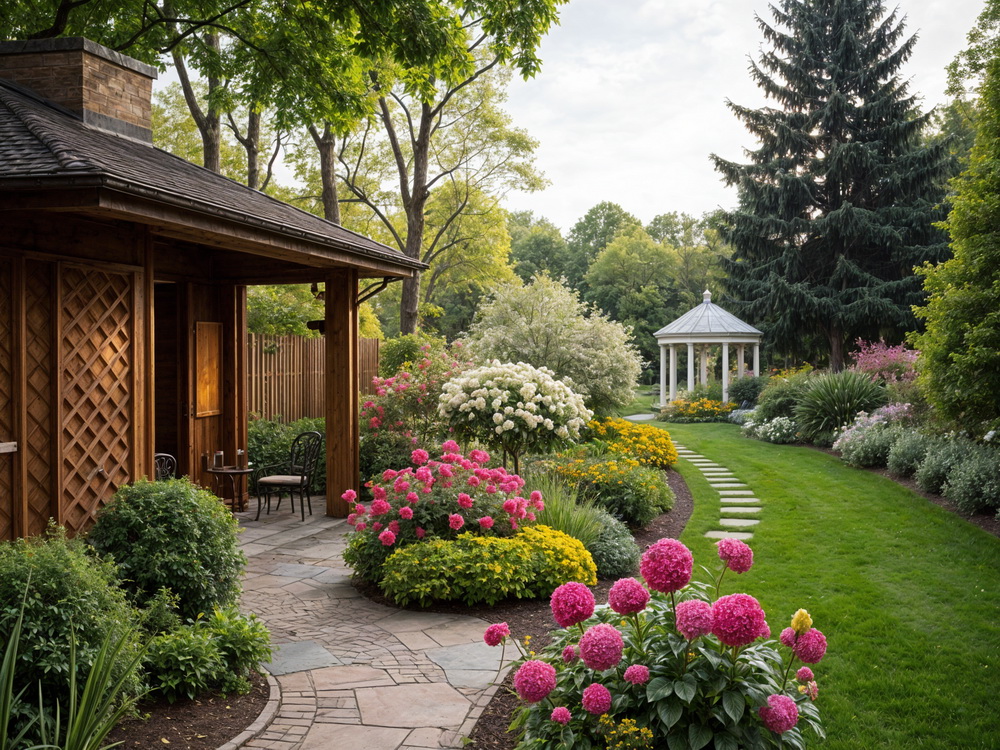
As we rethink how we design our outdoor spaces, sustainability is no longer just a trend—it’s essential. With shifting climates and limited resources, adopting eco-friendly gardening techniques enables us to create attractive landscapes that work in harmony with nature. This in-depth overview will guide you in turning your yard or garden into a flourishing, sustainable environment that benefits both people and the earth.
Grasping the Concept of Eco-Conscious Landscape Design

Sustainable landscape design is centered on developing outdoor spaces that use resources efficiently, nurture native habitats, and demand little upkeep, all while remaining attractive and practical. This method strives to replicate the balance found in nature, ensuring human needs are met without compromising environmental health.
Core Values of Eco-Friendly Gardening
Eco-friendly gardening aligns with nature by reducing negative impacts on the environment and enhancing positive effects. This method involves careful plant choices, responsible water use, nurturing the soil, and limiting chemical applications. Well-designed sustainable gardens become self-reliant systems that prosper with little human interference.
Key tenets of eco-conscious landscaping include:
- Saving Resources: Selecting materials and techniques that use fewer resources
- Encouraging Biodiversity: Establishing habitats for native animals and pollinators
- Efficient Water Use: Creating layouts that conserve water
- Nurturing Soil: Developing and preserving healthy soil life
- Limiting Chemicals: Reducing or eliminating artificial fertilizers and pesticides
- Adapting Locally: Tailoring your garden to suit your unique climate and landscape
Advantages of Eco-Friendly Landscaping
Sustainable landscaping offers more than just environmental perks. Here’s a breakdown of the benefits across environmental, economic, and social dimensions:
| Benefit Type | Main Benefits |
|---|---|
| Environmental | Captures carbon, boosts wildlife, cuts pollution, saves water |
| Economic | Lower upkeep costs, smaller water bills, less reliance on chemicals |
| Social | Better well-being, stronger community ties, learning opportunities |
| Property | Higher property value, longer-lasting landscapes, reduced costs over time |
Evaluating and Planning Your Outdoor Space
Every effective sustainable garden starts with a detailed evaluation of the site. Observing your property at different times helps you notice sunlight changes, drainage patterns, and existing features worth keeping.
Understanding Your Yard’s Microclimates

From coast to coast, American landscapes are diverse—and even one yard can have several microclimates. For instance, the southern side of your home may support different plants than the northern side. Recognizing these subtle differences lets you place plants where they’ll thrive and need fewer resources.
When analyzing your site, take into account:
- The type and health of your soil
- Patterns of sunlight and shade
- Water availability and drainage
- Current plants and trees
- Presence of local wildlife
- Land shape and slopes
Selecting Regionally Appropriate and Native Plants
Plants native to your area are the backbone of sustainable gardens. These species have evolved to handle local conditions, so they thrive with minimal intervention.
The Unique Value of Native Species

Native plants bring many benefits:
- Suited to your area’s weather and soil
- Require less watering, fertilizer, and pest control
- Offer food and shelter for native creatures
- Support insects and pollinators unique to your region
- Add to your area’s natural beauty and character
When choosing native plants, focus on those specific to your local ecosystem, not just your country or state, for the best results.
Designing with Plant Communities
Landscapes designed for sustainability thrive when plants are arranged in groups that resemble natural communities, rather than being planted as individual, separate specimens. Imitating these natural plant associations allows for mutually supportive interactions that enhance the resilience of the whole garden. For instance, taller species can provide shade for more sensitive plants beneath them, while those with deep roots help loosen compacted soil, benefiting the surrounding vegetation.
Managing Soil for Long-Term Health
The secret to a thriving sustainable garden is healthy soil. Good soil encourages plant growth, manages water efficiently, and stores carbon.
Cultivating a Living Soil Ecosystem

Traditional gardening often focuses on feeding plants, but sustainable gardening prioritizes feeding the soil. Just a teaspoon of rich soil contains billions of microorganisms that keep plants healthy in ways synthetic products can’t.
Some ways to enhance soil health include:
- Composting: Transform kitchen and yard waste into nutrient-rich compost
- Mulching: Use organic mulch to keep moisture in and feed soil life
- Minimal Tilling: Disturb the soil as little as possible to protect its structure
- Cover Crops: Grow certain plants in the off-season to enrich and protect soil
- Preventing Compaction: Use pathways to avoid walking on and compressing garden beds
Smart Water Use in the Garden
Water is a precious resource, especially in dry regions. Sustainable landscaping requires careful water management.
Effective Water-Saving Techniques
Some strategies for conserving water include:
- Collecting Rainwater: Set up barrels or tanks to catch rain from roofs
- Drip Irrigation: Install systems that deliver water directly to plant roots
- Rain Gardens: Design low spots with plants that absorb and filter runoff
- Watering Wisely: Water less often but more deeply to build strong roots
- Grouping by Water Needs: Arrange plants with similar thirst together
For established gardens, using a soil wetting agent can help water soak in better. Watering deeply every few days, rather than lightly every day, encourages deep, healthy roots.
Sustainable Choices for Hardscape Features
Features like walkways, patios, and retaining walls serve vital functions in environmentally conscious landscapes. The selection of materials for these hardscape elements plays a crucial role in determining your garden’s overall ecological impact.
Choosing Environmentally Responsible Materials

When planning hardscape elements, consider:
- Permeable Options: Surfaces that let rain soak in, not run off
- Reused Materials: Incorporate salvaged brick, stone, or wood
- Local Products: Pick materials sourced close to home to cut transport emissions
- Long-Lasting Choices: Select items built to last many years
- Lifecycle Consideration: Think about how materials can be reused or recycled later
Minimizing Chemical Use
A healthy, sustainable garden can flourish without synthetic chemicals that harm helpful insects and disrupt natural systems.
Eco-Friendly Pest Solutions
Instead of reaching for pesticides, try these natural alternatives:
- Helpful Insects: Attract predators like ladybugs and lacewings
- Physical Barriers: Use covers or nets to shield sensitive plants
- Companion Planting: Pair plants that deter pests naturally
- Healthy Soil: Plants in rich soil are more resistant to pests
- Accepting Some Damage: Allow a small amount of pest activity as part of a balanced ecosystem
Welcoming Wildlife into Your Garden
Sustainable gardens provide resources for many species, not just people. Encouraging wildlife increases biodiversity and offers natural pest control.
Boosting Biodiversity
To make your garden more wildlife-friendly:
- Layered Planting: Include ground covers, bushes, and trees
- Water Features: Add birdbaths or small ponds
- Shelter Spaces: Build rock piles, brush heaps, or nesting boxes
- Continuous Blooms: Plant so something is always flowering
- Mindful Lighting: Reduce nighttime lights to avoid disturbing nocturnal animals
Caring for a Sustainable Garden
Eco-friendly gardens need different care than traditional ones. While they’re often easier to maintain, they still benefit from regular, thoughtful attention.
Year-Round Maintenance Guide
Your garden’s needs will shift with the seasons:
| Season | Main Tasks |
|---|---|
| Spring | Spread compost, divide crowded plants, check for early pests |
| Summer | Water deeply as needed, prune lightly, collect seeds |
| Fall | Leave seed heads for wildlife, trim select plants, mulch bare spots |
| Winter | Keep disturbance low, plan for spring, maintain wildlife shelters |
Alternatives to Traditional Lawns
Lawns use lots of water and chemicals. Consider shrinking your grass areas by:
- Native Meadows: Replace sections with native grasses and wildflowers
- Groundcovers: Use low-growing perennials in places with little foot traffic
- Purposeful Spaces: Designate areas for play or gatherings, while allowing other areas to grow more naturally.
- Edible Gardens: Swap ornamental plants for fruits, vegetables, or herbs
Putting Sustainable Ideas into Action
You don’t have to overhaul your entire yard at once. Gradual changes can add up to a big difference over time.
Begin with Small Steps
Start with easy projects like:
- Switching one flower bed to native plants
- Installing a rainwater barrel
- Starting a compost pile
- Removing invasive species
- Reducing the size of your lawn
As you gain experience, you can expand these practices across your landscape. Every small improvement moves your garden closer to true sustainability.
Sources:
Sustainable Gardening: 10 Simple Tips to Support Nature
https://greenerinsights.com/sustainable-gardening-10-simple-tips-to-support-nature/
Sustainable gardening: 10 ways to get growing
https://www.nts.org.uk/stories/sustainable-gardening-10-ways-to-get-growing
Guide to Sustainable Gardening: Overview & 4 Good Reasons
https://www.unsustainablemagazine.com/guide-to-sustainable-gardening/
10 Sustainable Gardening Techniques to Boost Your Garden’s Health
https://gardensavvy.com/gardening-blog/gardening-tips/sustainable-gardening-techniques-for-a-healthy-eco-friendly-garden/
Top Eco-Friendly Landscaping Ideas to Enhance Your Outdoor Space
https://kndlandscaping.com/top-eco-friendly-landscaping-ideas-to-enhance-your-outdoor-space/