
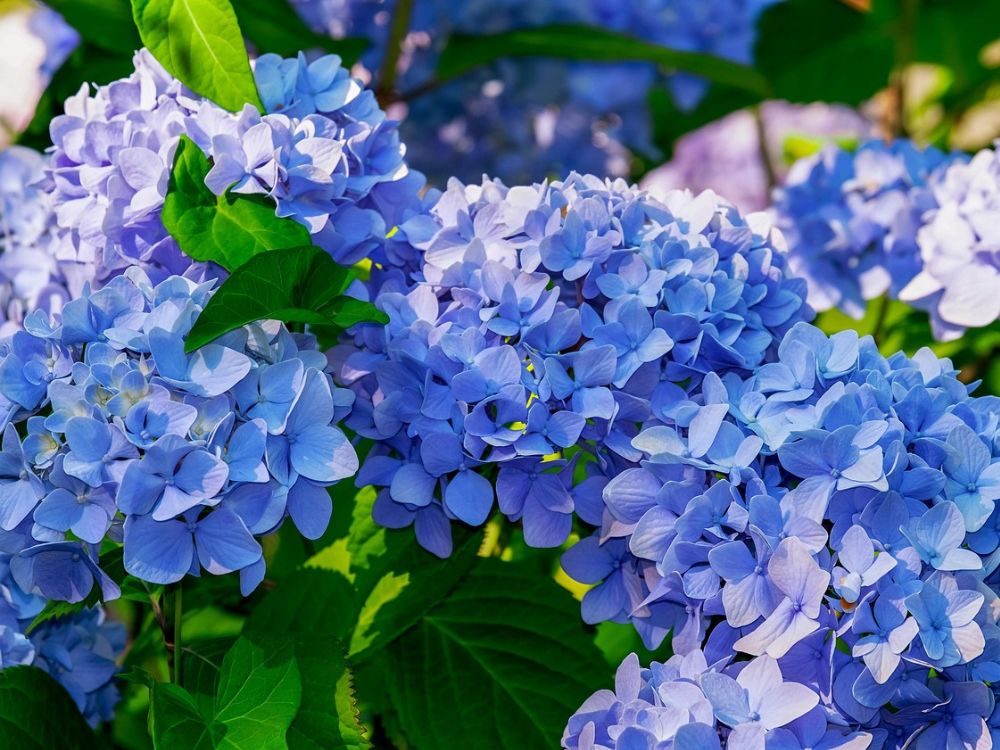
Hydrangeas have a way of stealing the spotlight in any garden—those oversized blooms, lush leaves, and reliable growth make them beloved across climates from cool Zone 5 all the way to balmy Zone 11. Yet for all their beauty, few plants inspire more pruning panic. One wrong cut, and an entire season of flowers can disappear. While pruning feels like a simple routine task, timing matters far more with hydrangeas than most people realize.
The moment your hydrangea sets its flower buds is the moment the pruning window closes. The challenge? Not all hydrangeas form buds at the same time. Some bloom on new wood, meaning they create flower buds on fresh growth in spring. Others bloom on old wood, forming next year’s buds at the end of the current growing season. Knowing which type you have is the difference between a flourishing shrub and a disappointing summer full of leaves and no blooms.
Below is a clear, expanded guide to help you understand when “too late” really is—and how to prune your hydrangeas with confidence.
Why Hydrangea Type Determines the Pruning Deadline
Hydrangeas generally fall into two categories:
New Wood Hydrangeas
These hydrangeas push out buds on new growth each spring. Because the flowers only develop on fresh stems, pruning during winter dormancy is perfectly safe—and often encouraged.
Common new-wood varieties include:
- Smooth hydrangea (Hydrangea arborescens)
- Bracted hydrangea (Hydrangea involucrata)
New wood hydrangeas tend to be more forgiving. Even if you prune them fairly low, they bounce back quickly once warm weather arrives. For gardeners who prefer a tidy landscape or want to shape their hydrangeas each year, these are the easiest to manage.
Old Wood Hydrangeas
Old-wood varieties form next year’s buds inside the stems during late summer and early fall. Once those buds develop, pruning becomes risky because you’re essentially cutting off next season’s flowers.
Common old-wood varieties include:
- Bigleaf hydrangea (Hydrangea macrophylla)
- Mountain hydrangea (Hydrangea serrata)
These hydrangeas require much gentler, more strategic care. Their buds begin developing earlier than many people realize, and a well-intentioned fall cleanup can accidentally wipe out the following year’s display.
When It’s Safe—and When It’s Too Late—to Prune New Wood Hydrangeas
Because these hydrangeas bloom on fresh stems, you have a broader—but still important—pruning window.
Best Time to Prune
- Late winter to early spring
Prune before the plant breaks dormancy and begins forming new shoots. - Optional: Early fall
If flowers have faded and the plant has gone fully dormant, light pruning is acceptable.
When You Should Stop Pruning
- Once new buds appear in spring
As soon as green growth emerges, pruning removes the stems destined to flower that year.
Helpful Tip
Many gardeners cut some varieties, like ‘Annabelle’ smooth hydrangeas, quite low each winter to encourage fuller, sturdier growth. This is perfectly fine for new-wood types—just avoid pruning once warm weather triggers new stems to sprout.
Why Fall Is Too Late for Old Wood Hydrangeas
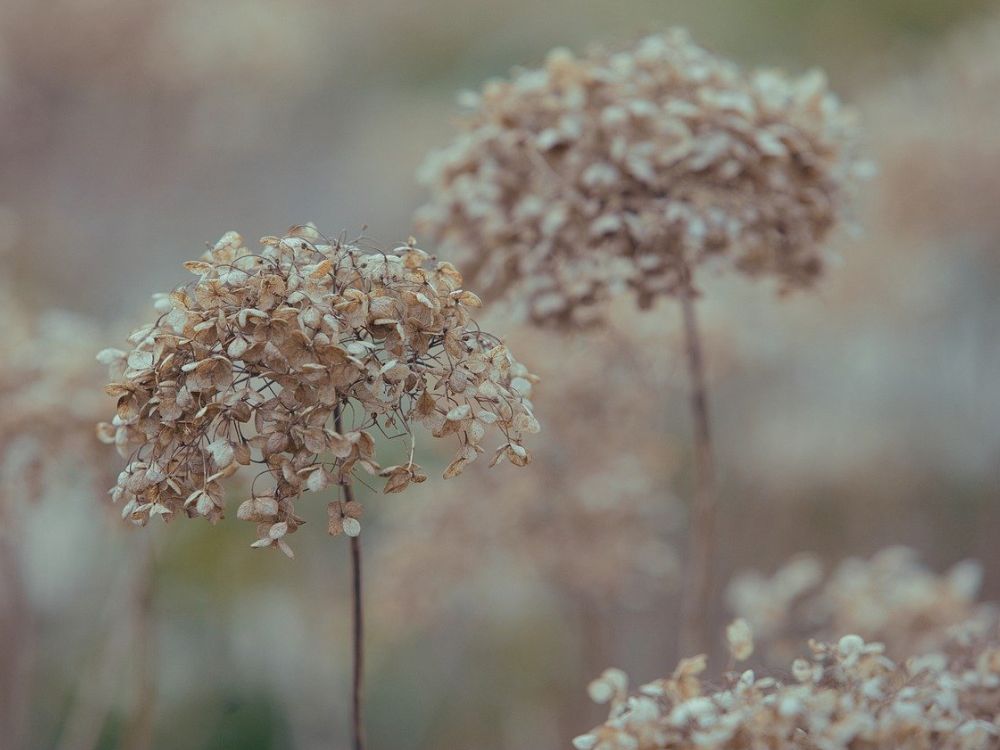
Old-wood hydrangeas begin forming next year’s flower buds in late summer, often as early as August depending on climate. These buds remain tucked inside the stems all winter, waiting for spring warmth to push them open. Once that process starts, the pruning window is closed until the plant completes its next bloom cycle.
Best Time to Prune
- Immediately after flowering, usually mid- to late summer
This keeps your cuts safely before the plant begins forming next year’s buds.
When You Must Not Prune
- Late summer, fall, winter, and early spring
All these seasons are off-limits. Any pruning during this time removes developing or fully formed buds.
Why Even a Small Cut Can Cause Big Problems
Pruning old-wood hydrangeas too late:
- Removes next year’s blooms entirely
- Exposes remaining buds to frost
- Weakens stem structure going into winter
- Creates stress the plant may struggle to recover from
Old-wood hydrangeas typically need very little pruning anyway, so minimal maintenance is best.
How to Prune Hydrangeas Without Ruining the Season
Even if you’re unsure about your hydrangea’s classification, a few universal rules help prevent accidental over-pruning:
Always Remove Dead, Diseased, or Damaged Wood
This is safe at any time of year. Dead stems do not contain buds and will not flower.
Avoid Hard Shaping Unless Necessary
Hydrangeas generally look best with their natural form preserved. Severe shaping can reduce air flow and weaken future blooms.
When in Doubt, Don’t Cut
Most hydrangeas—including the old-wood varieties—will bloom beautifully even with almost no pruning at all. Leave them be unless you have a clear reason to cut.
Know Your Variety
If you’re unsure, look up the type based on bloom shape:
- Mophead or lacecap = often old wood
- Cone-shaped panicles = new wood
- Round, fluffy white flowers (Annabelle) = new wood
Correct identification prevents guesswork.
Timing Is Everything
Hydrangeas reward thoughtful care, and pruning is no exception.
- New wood hydrangeas thrive with late-winter pruning and are forgiving once spring growth begins.
- Old wood hydrangeas must be pruned immediately after blooming—any later, and you risk removing next year’s buds.
If maintaining bloom performance is your top priority, focus on removing only what is necessary and avoid fall cleanups for old-wood types. With a little patience and proper timing, your hydrangeas will return each year with the lush, abundant blooms they’re known for.