
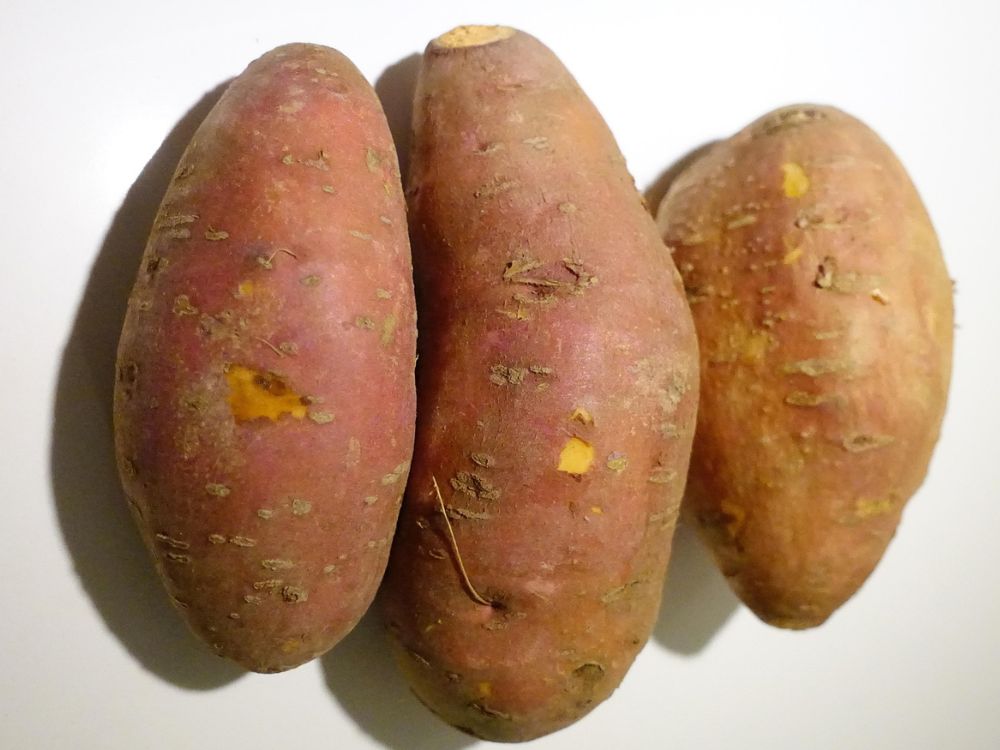
For many home cooks, the perfect sweet potato is a rare find—firm, smooth, and richly colored. But once you learn how easily these tubers adapt to life indoors, store-bought sweet potatoes begin to feel unnecessary. When grown inside, sweet potatoes enjoy a stable, warm environment that mimics the long, lingering days of summer they love. There’s no need to wait out late frosts or rush to harvest before the cold sets in. With just a sunny window, loose soil, and a pot with enough depth for tubers to stretch comfortably, you can produce a continuous supply of sweet potatoes without ever stepping outside.
Indoor growing transforms the process from a seasonal scramble into a relaxed, rewarding ritual—one that brings greenery, beauty, and food into your home.
Starting With Slips: The First Step to Indoor Sweet Potatoes
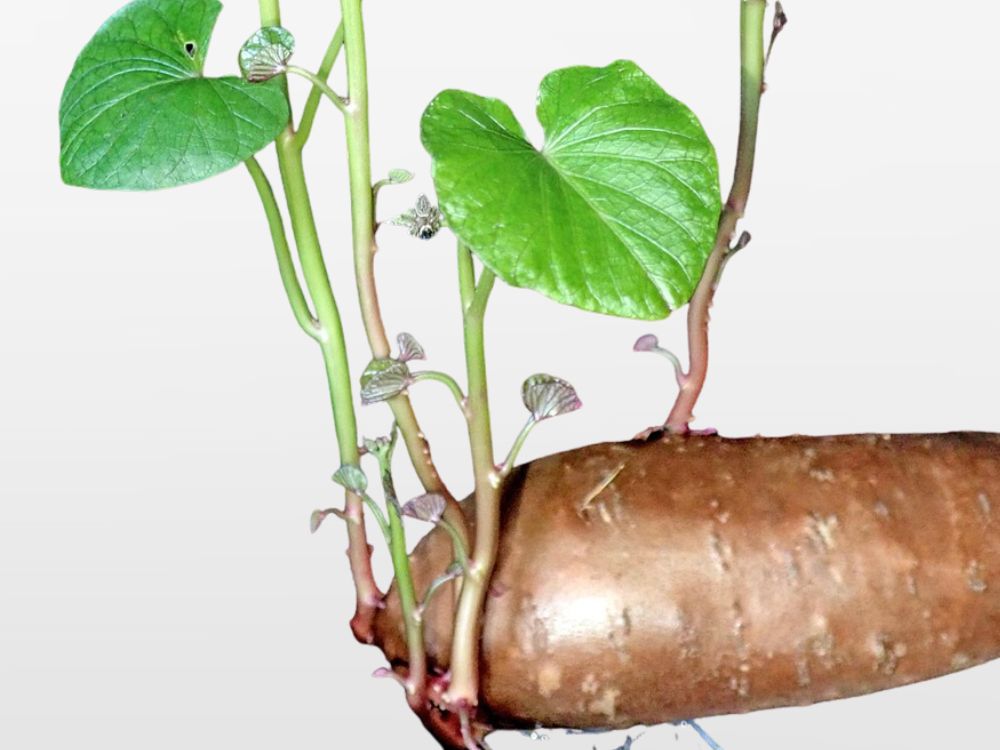
Every sweet potato journey begins with slips—the small shoots that sprout from mature tubers. These slips act as your starting plants, and growing them is surprisingly simple. When a sweet potato is placed halfway into moist soil or left resting in a shallow tray of damp medium, it begins to “wake up,” sending up elegant, antler-shaped sprouts from its eyes.
A loose covering over the tray helps lock in humidity, and within a couple of weeks, the potato begins to green up. Once each sprout reaches roughly 5–6 inches tall, you can gently twist it free from the mother potato. It should detach easily without force.
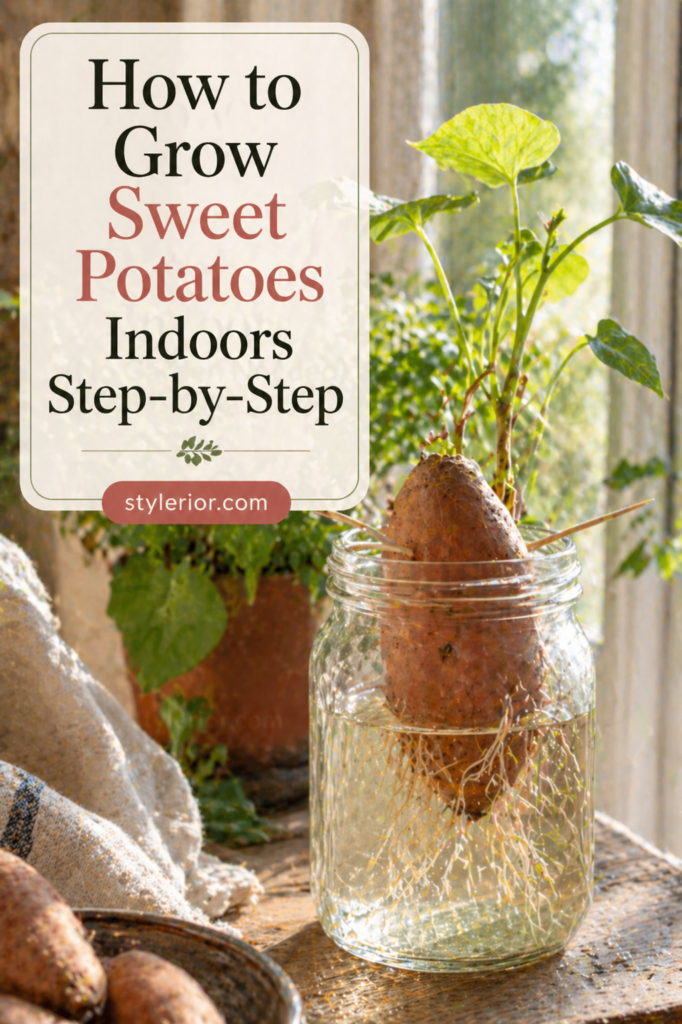
From there, the slips take a brief detour into water. Place them in a jar or glass with the lower end submerged, and over the next week, they’ll develop a healthy cluster of roots. This rooting phase gives them a strong start before they move into their permanent containers.
Choosing Indoor-Friendly Varieties
While almost any sweet potato variety will grow indoors, compact types tend to be more manageable in smaller spaces. Their vines stay neater, their foliage doesn’t overwhelm the room, and their harvests still impress.
Here are some excellent options for indoor containers:
- Vardaman – Known for its tidy, compact vines that stay close to the pot, making it one of the best choices for apartments or small homes.
- Beauregard – A highly productive classic that performs well even in medium-sized containers.
- Centennial – Produces smaller tubers that fit well in indoor settings without sacrificing flavor.
Whatever variety you choose, sunlight is the real key. A south-facing window offers the longest, brightest light, but grow lights work beautifully during darker months. Indoors, the growing season never technically ends—the vines simply keep working as long as they have enough warmth and energy.
Create the Perfect Indoor Growing Environment
Once your slips have rooted and settled into their pots, the focus shifts to ongoing care.
Soil and Pot Requirements
Sweet potatoes prefer loose, airy soil—something that gives their tubers room to swell without pressure. A mix of high-quality potting soil combined with perlite, peat moss, or compost creates the ideal structure. Dense soil restricts growth and leads to smaller or misshapen tubers.
Choose a pot that’s:
- Deep enough for tubers to develop (12–18 inches minimum)
- Wide enough to accommodate the spreading root system
- Equipped with drainage holes to prevent rot
Watering Rhythm
Indoors, sweet potatoes appreciate consistently moist soil—not soggy, not bone dry. Think of the texture of a well-wrung sponge. Check moisture weekly, and adjust based on your indoor climate:
- Dry homes or warm rooms may require more frequent watering
- Overwatering leads to rot, so always test the top 1–2 inches of soil before watering again
Fertilizing for Balanced Growth
Sweet potatoes need food, but not the kind that fuels endless leaves. A balanced, slow-release fertilizer—especially one lower in nitrogen—keeps the plant focused on tuber development instead of producing giant vines. Apply fertilizer every three to four weeks during active growth.
Managing Indoor Vines
Sweet potato vines behave like gentle wanderers. Indoors, they cascade beautifully over the sides of the pot, curl around nearby furniture, or reach toward any available sunlight. You can:
- Train them up a small trellis
- Guide them across a shelf
- Allow them to spill freely for a lush, decorative look
Their foliage adds a surprisingly pretty tropical softness to any room.
Harvesting Your Indoor Sweet Potatoes
After about three to four months, the tubers beneath the soil are ready. A week before the harvest, pause all watering—this helps the skins toughen slightly, making them less prone to damage.
To harvest:
- Lay down a sheet or tray to catch loose soil.
- Gently tip the pot onto its side.
- Work slowly through the soil with your hands, freeing each sweet potato without scraping or bruising it.
Freshly harvested sweet potatoes are delicate, but when handled gently, they store and cook beautifully. Roast them, mash them, turn them into fries, or blend them into soups—the possibilities are endless.
Growing sweet potatoes indoors means you’re never tied to outdoor weather, planting windows, or frost warnings. With steady care and a bit of sunlight, you can lift the lid off your pot a few times a year and discover your own homegrown harvest, ready whenever inspiration strikes.