

In the ongoing relationship between ourselves and our living environments, the places where our hands connect with our homes tell a quiet, powerful story. From the chill of a doorknob at sunrise to the plush embrace of a favorite chair at night, these tactile moments create a sensory rhythm that often goes unnoticed, yet deeply influences our sense of comfort and belonging. Let’s discover how these everyday contacts can turn your house into a haven that resonates with your personality.
What Are Home Interaction Points?

Interaction points are the physical spots within your home that you come into contact with throughout your daily routine. These elements are the unsung storytellers of your domestic life, providing both practical links and emotional resonance as you move from room to room.
Through years of observing how people engage with their surroundings, I’ve learned that focusing on touch transforms a home from a visual showpiece into a truly immersive retreat. By designing with the sense of touch in mind, we create spaces that not only please the eye but also delight the hands.
Categories of Home Interaction Points
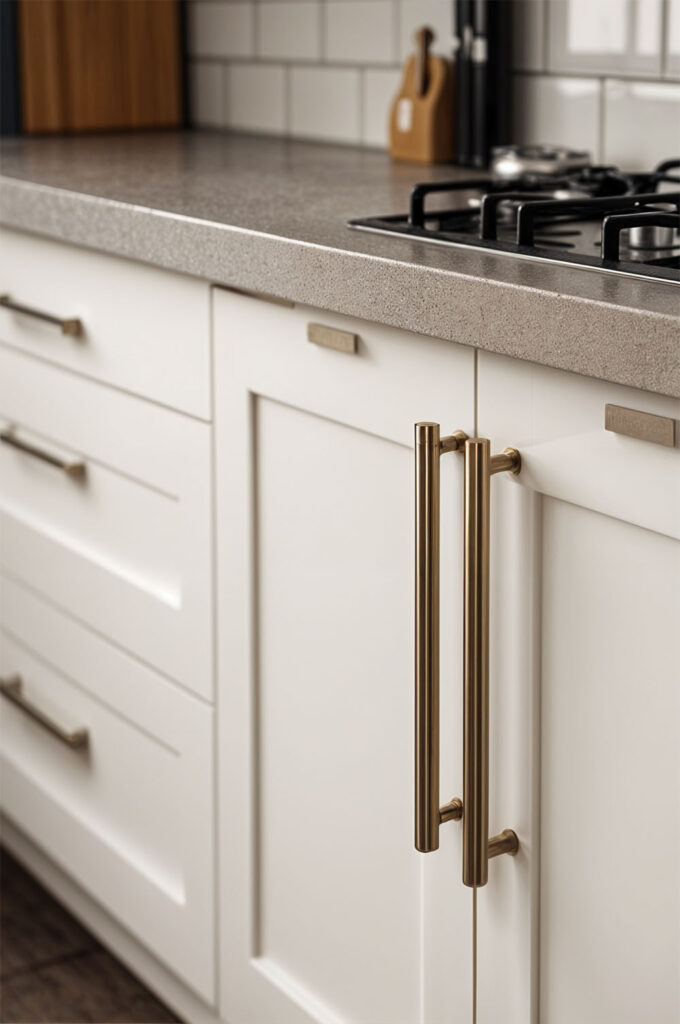
Generally, these points of contact can be grouped as follows:
- Utility Touches: Handles, switches, knobs, faucets
- Comfort Surfaces: Sofas, bedding, flooring
- Decorative Textures: Sculpted objects, tactile wall finishes
- Personal Mementos: Items with sentimental value
Morning Interactions: Setting the Day’s Tone
Your first moments at home each day are shaped by the things you touch as you wake up and get moving. These initial contacts can influence your mood and set the pace for what’s ahead.
Tactile Details in the Bedroom
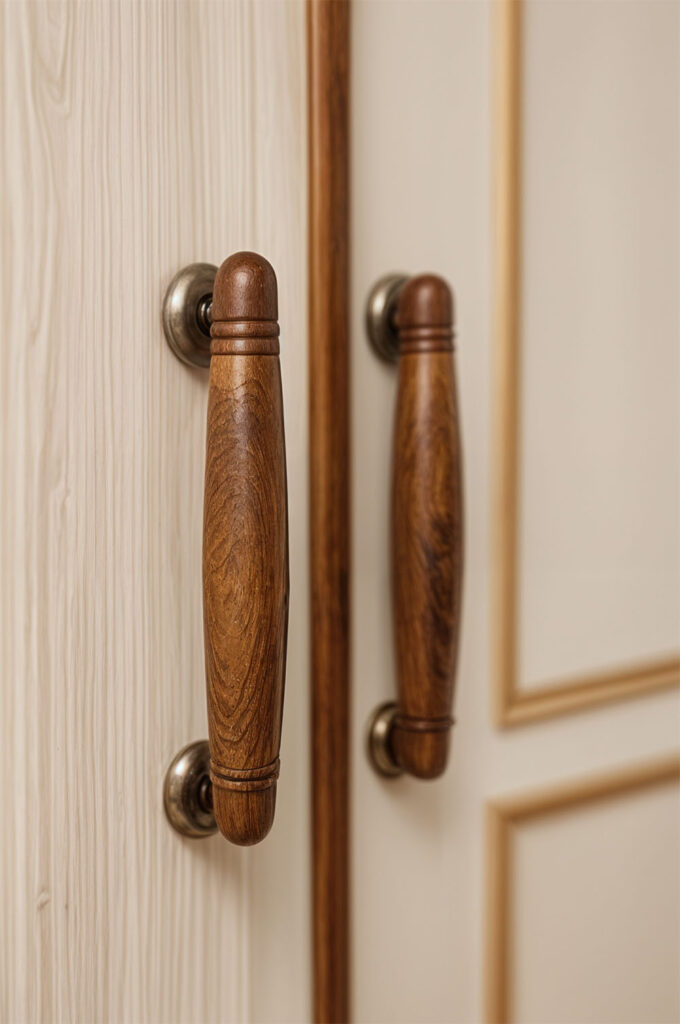
The start of your day is filled with tactile experiences:
- Easily located lamp switches
- Smooth-operating drawer handles
- Closets that open with minimal effort
- Floors that feel inviting underfoot
I recall a project where we chose handmade wooden pulls for a client’s bedroom. She later shared that this simple upgrade made her mornings feel more intentional and less hurried.
Morning Touch Points in the Bathroom
In the bathroom, consider:
- Faucets that respond smoothly
- Hardware built to withstand moisture
- Non-slip tiles for safety
- Towels with a variety of textures for added sensory delight
Inviting Morning Touch Points in the Kitchen
For many, the kitchen is where the day truly begins. Here, touch points should support efficiency and comfort:
- Coffee machine buttons that are simple to use
- Drawer handles placed for effortless reach
- Countertop edges designed to rest comfortably under your arms
- Fridge doors that open with a pleasing, sturdy feel
Daytime Touch: Productivity and Ease
As the day unfolds, different rooms serve different purposes, each with their own unique tactile features.
Home Office and Workspace Touch Points
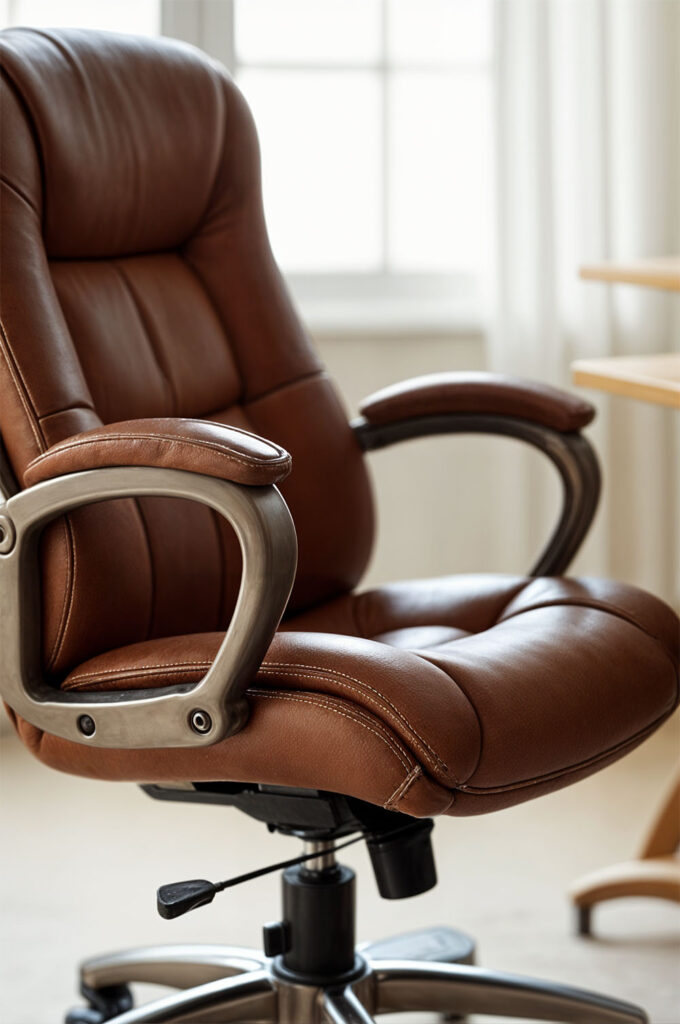
A productive workspace benefits from thoughtfully chosen touch points:
- Work surfaces that are gentle and comfortable for your wrists
- Chairs upholstered in materials that offer supportive comfort
- Drawer pulls that make organizing your space easy
- Tech devices with controls that are easy and natural to use
We recently created a home office for a writer who specifically wanted a leather inlay on her desk, emphasizing how important it was for her hands to feel comfortable while she worked. This thoughtful detail made a noticeable difference, enhancing both her daily writing routine and her productivity.
Tactile Features in Living Areas
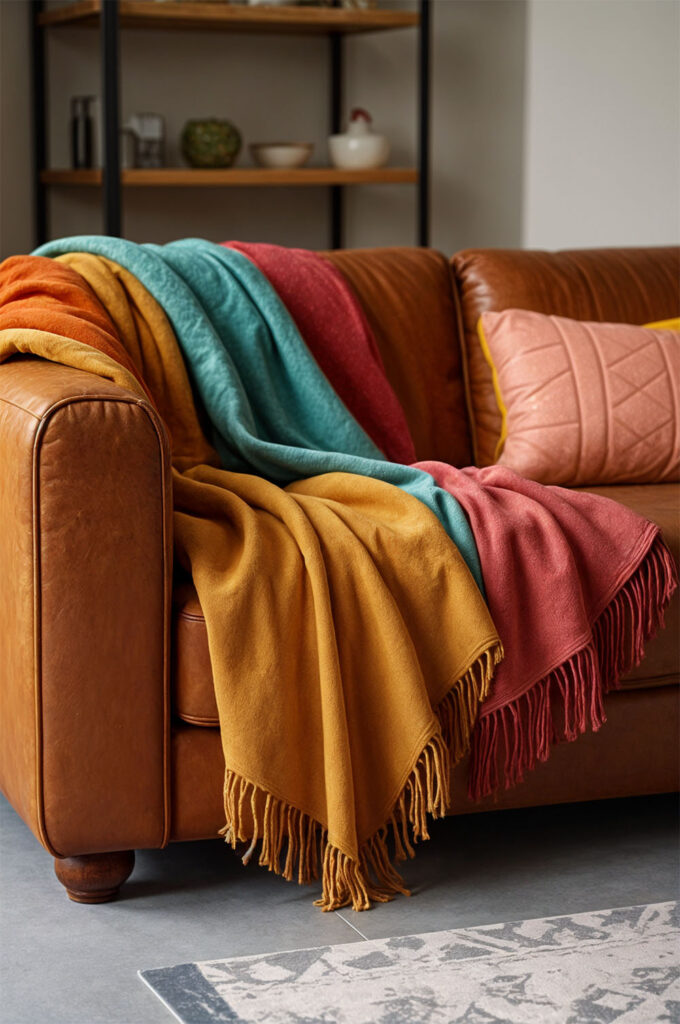
Living rooms and lounges should encourage comfort through touch:
| Material | Sensation | Best Use | Care Needs |
|---|---|---|---|
| Wood | Warm, organic | Furniture, floors, pulls | Occasional oiling |
| Metal | Cool, solid | Fixtures, accents | Wipe for prints |
| Leather | Soft, supple | Seating, accessories | Periodic conditioning |
| Stone | Cool, textured | Counters, decor | Sealing as needed |
| Fabrics | Varied, cozy | Upholstery, drapes | Regular cleaning |
Hallways & Entryways: Seamless Transitions
Don’t overlook the touch points in passageways:
- Door levers that move smoothly
- Light switches placed for convenience
- Railings that feel secure in hand
- Entry tables for daily essentials
Creating Interest Through Tactile Focal Points
You can use touch to draw attention and add personality to your home:
- Highlight contrast: Pair different textures to engage both the eyes and hands
- Feature hardware: Choose bold or uniquely designed handles and pulls to make a statement
- Layer textures: Combine various materials in one space to add richness and dimension
- Interactive lighting: Select light fixtures that encourage touch and become standout features
Evening Comfort: Touch Points for Relaxation
As night falls, your home’s touch points should help you relax and unwind.
Dining Space Touch Points
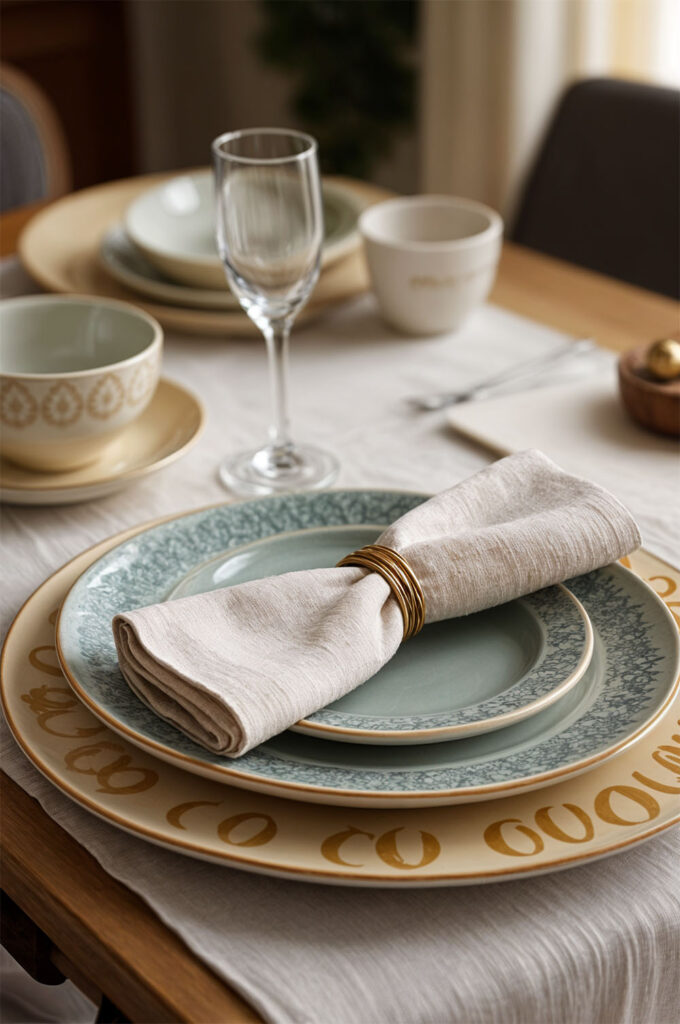
In dining rooms, focus on:
- Chair seats and backs designed for comfort, inviting you to stay longer
- Tabletops that feel smooth and pleasant to the touch
- Serving dishes with a substantial, balanced heft
- Soft fabrics that enhance the comfort of every meal
Entertainment Space Sensory Details
For spaces dedicated to relaxation:
- Remotes designed with user-friendly, easy-to-navigate buttons
- Throws and pillows made from soft, inviting materials
- Furniture arms shaped to support a variety of comfortable sitting positions
- Decorative accents chosen for their unique and engaging textures
Outdoor Touches: Evening Calm
Extend these ideas outdoors:
- Outdoor seating crafted with materials suited for all weather conditions
- Lighting controls outside that offer a satisfying and responsive feel
- Planters and garden features chosen for their diverse and appealing textures
- Walkway surfaces designed to provide stability and confidence underfoot
Making Home Interaction Points Personal
DIY Customization
You can easily personalize your home’s touch points:
- Swap out basic cabinet pulls for unique vintage or handcrafted hardware
- Choose tactile switch plate covers—like embossed metals or carved wood—for subtle but stylish upgrades
- Sand and treat wood surfaces to achieve the perfect finish and feel
- Design your own textiles, such as custom pillows or table runners, for a personal touch
Showcasing Personal Collections
Your collections can become meaningful points of contact:
- Present your favorite collections on shelves designed specifically for them
- Place cherished objects within easy reach so they can be handled and appreciated
- Organize books to invite browsing and tactile enjoyment, not just for looks
- Add natural items with unique textures to bring an organic feel into your space
Real-Life Example: A Family’s Story
A client once wanted to make her new house feel less generic. She had inherited ceramics from her grandmother, a talented artist.
We decided to use these ceramics as the foundation for the home’s tactile design:
- Placing select pieces in areas where they could be easily touched and admired
- Using one of the bowls as inspiration for designing custom sink basins
- Creating bespoke cabinet hardware that reflected the unique glaze patterns
- Choosing wall textures that harmonized with the ceramics’ finishes
Months later, she told me, “Now, every time I open a cabinet, I feel connected to my grandmother. The house finally feels like ours.”
Sensory Design: Beyond What You See
Engaging More Than Just Sight
Touch points can stimulate multiple senses at once:
- Surfaces like stone that gradually warm or cool in response to touch
- Fabrics that produce gentle, soothing sounds as they move
- Wooden features that emit a subtle aroma when handled
- Shiny or mirrored materials that shift in appearance with changing light throughout the day
Achieving Sensory Harmony
Aim for a balanced mix:
- Pair coarse surfaces with sleek finishes
- Blend materials that feel warm with those that are cool to the touch
- Incorporate both organic and synthetic elements
- Fuse timeless materials with contemporary textures for a rich, layered feel
Creating harmony in sensory design is essential. Studies show that the atmosphere of our homes has a profound impact on our emotions and sense of well-being; people who feel content with their living spaces often report higher levels of overall happiness.
Touch Points for Every Family Member
Child-Friendly Tactile Features
Children interact with home at their level:
- Handles and knobs installed at a child-friendly height
- Smooth, curved corners to prevent injuries
- Durable finishes that can handle active play
- A mix of tactile surfaces to encourage sensory exploration
Accessible Design for Seniors
For older adults or those with mobility needs:
- Install lever handles on doors for easier access
- Use rocker switches for lighting to simplify use
- Choose flooring with tactile changes to indicate shifts in level
- Add grab bars and handrails designed for a secure, comfortable hold
Pet Considerations
Pets also benefit from thoughtful touch points:
- Durable, scratch-proof surfaces in busy parts of the home
- Easy-to-clean upholstery on furniture pets use
- Non-slip flooring to ensure pets have steady footing
- Special spots for pets, such as scratching posts or mats
Client Snapshot: A Personal Retreat
Jessica, a 35-year-old tech executive, reached out to me about her apartment, describing it as “impressive but impersonal.” Our goal was to focus on tactile details to make the space feel more inviting.
“Until now, I always thought design was just about how things look,” Jessica admitted during our first meeting. “I never really thought about what my home should feel like to the touch.”
We made several key updates:
- Swapped out metal drawer pulls for hand-carved wooden handles
- Introduced leather desk accessories that felt comfortable to use
- Installed natural stone countertops with a soft, leathered texture
- Chose upholstery with gentle, varied textures
Six months later, Jessica shared, “I had no idea what I was missing. Now my apartment truly feels like a retreat, not just a showplace.”
Adapting Touch Points for Every Season
Your home’s tactile elements should shift throughout the year to match the changing seasons:
Winter Touch Points
- Layer in soft, cozy throws
- Opt for thicker, warmer bedding
- Consider installing heated floors in bathrooms
- Lay down textured rugs in areas with hard flooring
Summer Touch Points
- Swap out heavy textiles for light, airy fabrics
- Choose breathable bedding for a cooler night’s sleep
- Highlight smooth, cool surfaces throughout your space
- Incorporate natural materials like stone and ceramic for a refreshing feel
By thoughtfully adjusting these touch points as the seasons change, you ensure your home stays comfortable, inviting, and stimulating all year long.
Building Everyday Rituals with Tactile Details
Thoughtfully chosen touch points can serve as the foundation for daily routines:
- Morning start: Using a favorite mug that feels just right in your hands
- Shifting gears after work: Grabbing a textured pillow that signals it’s time to unwind
- Evening relaxation: Settling into a chair with armrests that fit your hands comfortably
- Preparing for sleep: Enjoying the layered feel of different bedding textures that foster a restful atmosphere
These purposeful tactile moments help mark the transitions of your day, making each phase more intentional and comforting.
Sustainable Choices for Tactile Elements
With growing attention to environmental responsibility, it’s important to make mindful decisions about the tactile features in your home:
- Opt for natural materials that are ethically sourced
- Invest in well-made pieces designed to last and develop character over time
- Incorporate vintage or antique hardware to add uniqueness while reducing waste
- Partner with local craftspeople to create custom details, minimizing transportation and supporting your community
Selecting sustainable, natural materials for your home’s touch points not only benefits the environment but also deepens your connection to your space. These elements bring their own stories and gracefully gain character as the years go by.
In summary: By thoughtfully considering the places where your hands meet your home, you can create a living space that’s not just visually appealing, but also deeply comforting and uniquely yours.
Sources:
The Tactile Sensory Experience in Interior Design – IJRASET
https://www.ijraset.com/research-paper/the-tactile-sensory-experience-in-interior-design
Sensory sustainable homes, a study of the healthy happy home (3H) – Frontiers in Sustainable Cities
https://www.frontiersin.org/journals/sustainable-cities/articles/10.3389/frsc.2025.1506672/full
TACTILE STORIES: How interior architects can design and use material in a creative, sustainable and sensory way – DiVA Portal
https://www.diva-portal.org/smash/get/diva2:1667286/FULLTEXT01.pdf
Sensory design: how to transform spaces into experiences – Alma de Luce
https://www.almadeluce.com/blog/sensory-design-how-to-transform-spaces-into-experiences/
Sensescaping: Six ways to bring sensory design into your home – Tempus Magazine
https://tempusmagazine.co.uk/news/sensescaping-six-ways-sensory-design-home-decor/