
In our highly connected lives, finding time for ourselves is more important than ever—especially when living with others. Designing a private sanctuary within a shared residence allows you to unwind, reflect, and nurture your well-being, all while enjoying the perks of communal living. This article offers actionable tips for establishing meaningful, restorative spaces in any shared home, regardless of size or living arrangement.
Why Private Retreats Matter in Shared Living
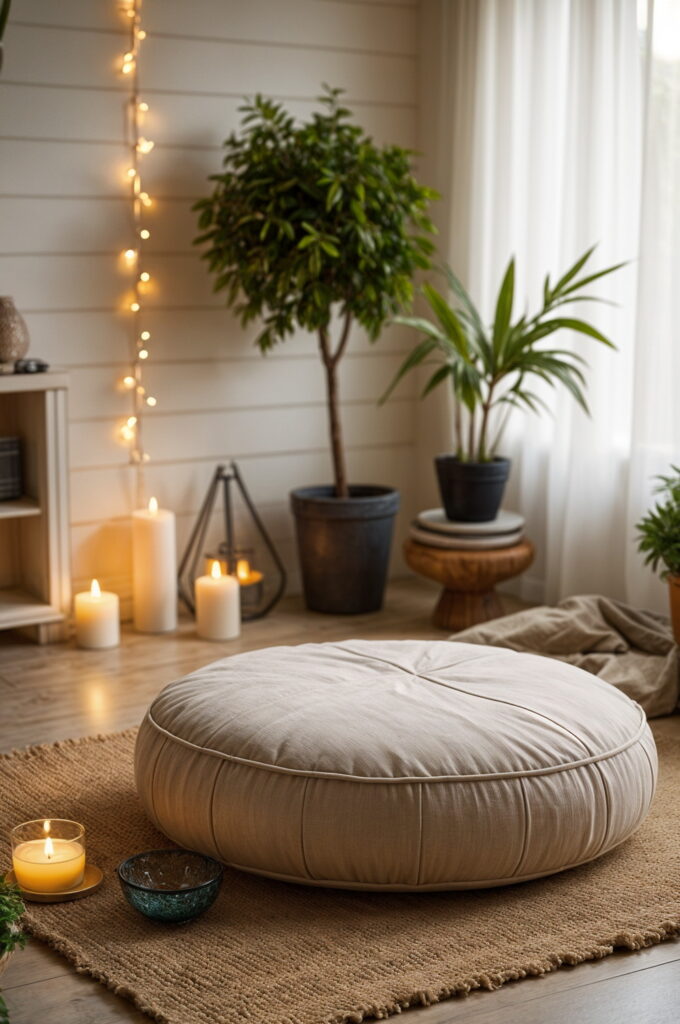
Personal sanctuaries act as safe havens where we can step away from daily pressures and experience tranquility. In households with family, roommates, or co-living communities, having a dedicated spot for yourself becomes even more vital.
When I first started helping people create personal spaces in shared homes, I saw firsthand how even a tiny, thoughtfully designed corner could dramatically improve someone’s mood and mental health. One client told me, “Spending just ten minutes in my cozy reading spot every morning has completely shifted the tone of my day.”
Some key advantages of personal retreat spaces include:
- Lowered stress and anxiety by controlling your environment
- Sharper focus and increased creativity in a space tailored to you
- Healthier relationships, thanks to balanced alone time
- A stronger sense of self and belonging within a shared home
- A chance to express your unique style through design
Popular Types of Personal Retreats
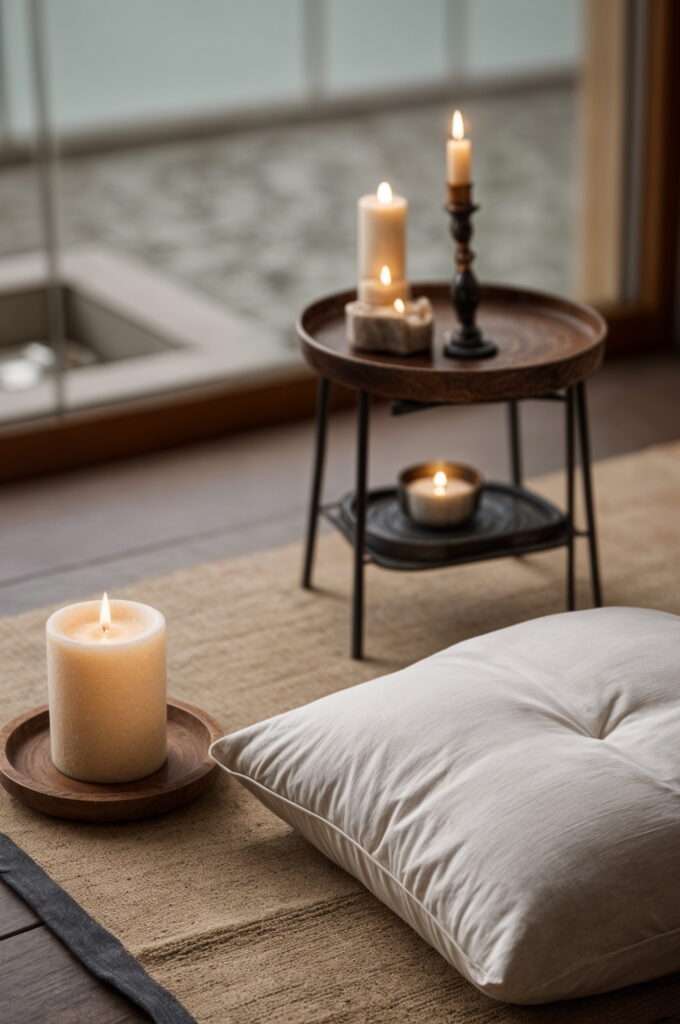
Different lifestyles and needs call for different types of sanctuaries:
| Retreat Type | Main Purpose | Essential Features | Best Spot in Home |
|---|---|---|---|
| Mindfulness Alcove | Meditation, quiet time | Simple decor, plush seating, gentle lighting | Secluded, low-traffic area |
| Book Nook | Reading, relaxation | Cozy chair, ample light, shelves for books | By a window, bedroom corner |
| Creative Workspace | Art, hobbies, projects | Desk/table, storage, inspiring decor | Spare room, closet, basement |
| Outdoor Oasis | Nature, fresh air | Durable seating, greenery, privacy screens | Balcony, patio, garden |
| Spa Escape | Self-care, pampering | Soft fabrics, calming scents, soothing colors | Bathroom, bedroom corner |
Evaluating Your Space and Personal Needs
Step 1: Survey Your Home
Before you start designing, take a careful look around your home. You might find hidden opportunities in:
- Unused corners in shared spaces
- Window seats or bay windows
- Spacious closets that could be repurposed
- Hallway alcoves or stairway landings
- Segments of larger rooms that can be partitioned
- Outdoor spots like balconies or garden nooks
I once worked with someone who turned the empty space under their stairs into a snug reading hideaway, complete with shelves and a custom cushion. It became their favorite retreat in the house.
Step 2: Define Your Requirements
Ask yourself:
- What will you do in your retreat area?
- How much privacy do you need?
- When will you use this space most?
- Which colors, textures, and sounds help you feel calm?
- What storage is necessary for your activities?
Key Design Strategies for Personal Retreats
Establishing Privacy—Visually and Aurally
In homes with shared living arrangements, safeguarding your personal space is essential. Here are some effective strategies:
- Setting clear expectations: Sometimes, the best boundaries are established through communication. Agreeing with housemates on retreat times, using a “do not disturb” sign, or setting up a shared schedule can help ensure your privacy is respected.
- Vertical separation: Use folding screens, curtains, or shelving units to visually define your area without needing to build permanent walls. For example, one individual successfully sectioned off her meditation nook in the living room with a decorative screen featuring family photographs.
- Acoustic solutions: Employ white noise devices, play gentle music, or use noise-canceling headphones to create a quieter environment. Incorporating plush rugs, drapes, and upholstered pieces can further dampen unwanted sounds.
Making the Space Your Own
Your personal sanctuary should embody your unique tastes and character:
- Nature-inspired features: Introducing greenery, organic materials, or a view of the outdoors can greatly enrich your retreat. Studies repeatedly show that being close to nature helps lower stress and boosts overall well-being.
- Color selection: Opt for shades that foster the mood you want to cultivate. Cool tones like blue and green often promote relaxation, while earthy colors such as terracotta or amber can bring warmth and vitality to your space.
- Personal touches: Fill your retreat with items that resonate with you—whether it’s cherished artwork, favorite photos, treasured keepsakes, or inspiring books.
Prioritizing Comfort and Usefulness
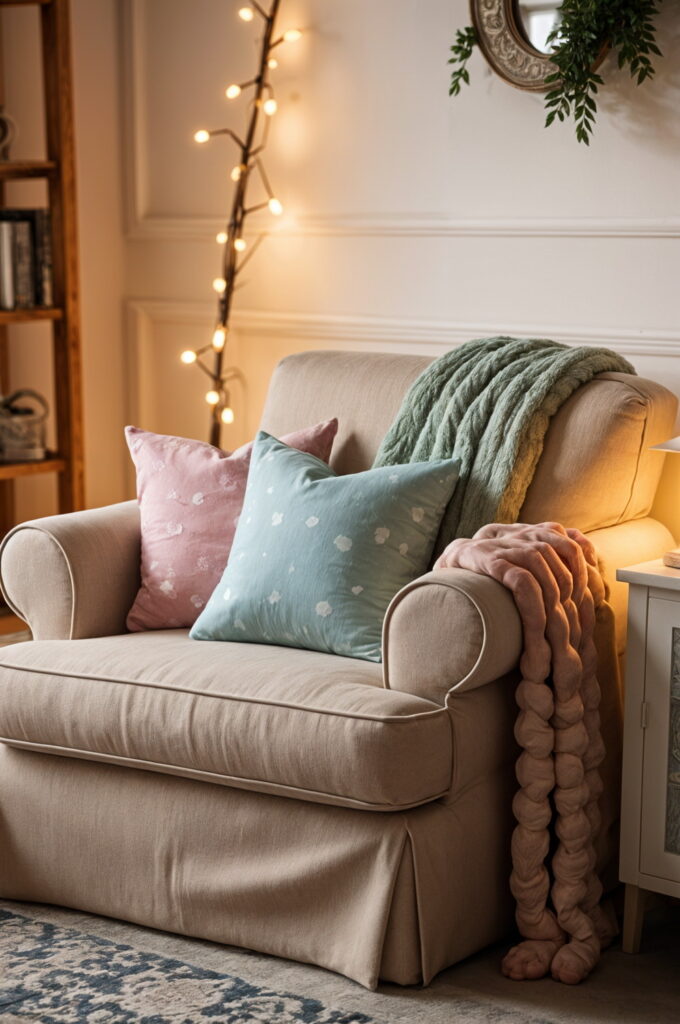
The comfort level of your personal retreat plays a major role in how frequently you’ll want to spend time there:
- Temperature adjustments: Use a portable heater, fan, or a cozy weighted blanket to keep your retreat at a comfortable temperature, regardless of the rest of the home’s climate.
- Seating: Prioritize the most supportive and inviting seating your area and finances permit. Whether you choose a plush reading chair, meditation cushion, or floor pillows, comfort here should be a top priority.
- Lighting: Combine different lighting sources—ambient, task, and accent—to suit various activities and moods. Take advantage of natural daylight when possible, but supplement with warm, adjustable lamps to maintain a welcoming environment after dark.
Real-Life Example: A Bedroom Oasis
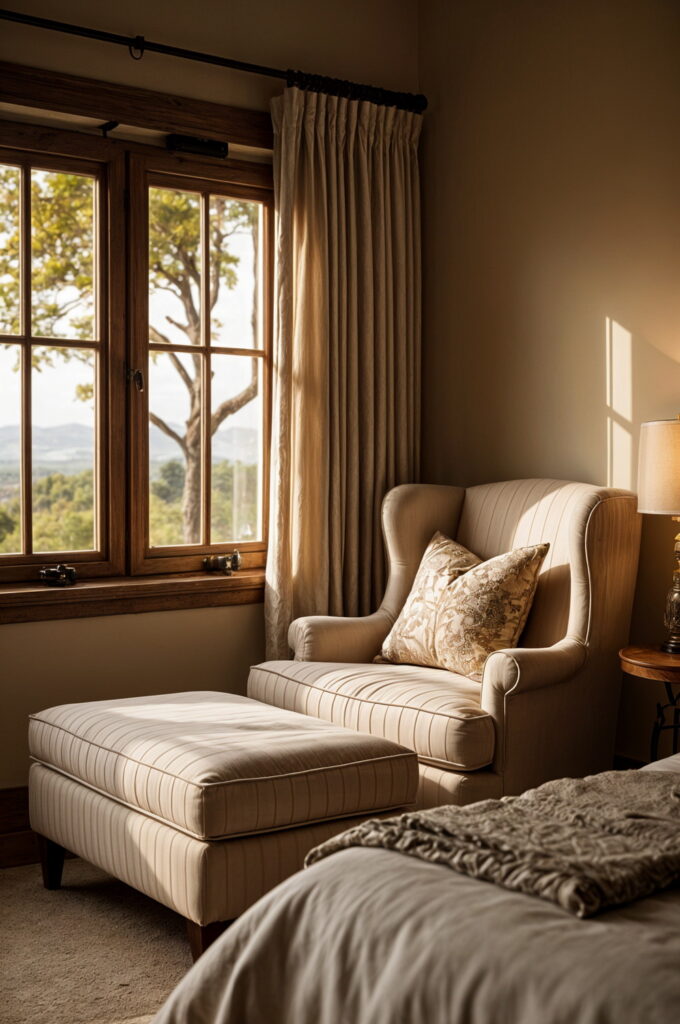
Alexis, a 35-year-old professional sharing a three-bedroom apartment with two roommates, needed a personal area that could double as both a workspace and a relaxation haven.
The Challenge
Her only private space was her bedroom, which was small. She also had to manage noise from the common areas and work within a limited budget.
The Solution
We transformed a corner of Alexis’s bedroom into a multifunctional retreat by:
- Installing a wall-mounted, foldable desk that could be stowed away when not in use
- Creating a comfortable reading nook with a plush chair and an adjustable floor lamp
- Using a decorative folding screen to visually divide the retreat from her sleeping area
- Adding noise-reducing curtains and a compact white noise machine
- Infusing the space with personal touches through carefully selected artwork and meaningful objects
Alexis was delighted with how the space adapted to her daily needs. She appreciated using it for morning journaling and intention-setting, found it practical as a daytime workspace, and enjoyed its transformation into a cozy reading corner for evening relaxation.
Maximizing Small Spaces
When space is at a premium, thinking outside the box is key. These clever strategies can help you make the most of even the smallest personal retreat:
Thinking Vertically
- Install shelves on the walls to add storage without taking up valuable floor area
- Incorporate hanging planters or vertical gardens to bring in greenery
- Use pegboards for flexible, adaptable organization that can change as your needs do
Dual-Purpose Furniture
Try these compact, multi-use pieces:
- Ottomans with built-in storage that double as seating
- Murphy beds or daybeds for rooms that serve as both guest space and retreat
- Nesting tables that tuck away when not in use
- Fold-down or wall-mounted desks to save space when not needed
Convert Closets
I’ve helped design “cloffices” (closet offices) and meditation closets by:
- Removing doors and adding curtains for a softer entrance
- Installing a small desk or chair
- Adding lighting with puck lights or lamps
- Using shelves above for storage
- Decorating the inside of the door with inspiration boards
Retreats That Bridge Indoors and Outdoors
Some of the most peaceful sanctuaries are found where inside and outside meet.
Balcony Hideaways
Even a compact balcony can be transformed into a tranquil escape:
- Lay down outdoor-friendly flooring such as deck tiles or a weatherproof rug
- Choose cozy seating with cushions designed to withstand the elements
- Enhance privacy with tall greenery, bamboo panels, or exterior curtains
- Add a petite water feature to introduce calming sounds
- Hang string lights to create a welcoming atmosphere for evenings
Window Sanctuaries
Spaces by windows can become inviting retreats filled with daylight and outdoor views:
- Build a window bench with storage beneath if space allows
- Alternatively, place a comfy chair next to a window that gets plenty of sunlight
- Layer the area with plush cushions and throws for added coziness
- Select houseplants that will flourish in the natural light available
- Hang sheer curtains to maintain privacy while still letting in sunlight
Tailoring Retreats to Your Activities
Various uses call for tailored design choices. Here are some suggestions for popular types of retreat spaces:
For Meditation and Mindfulness
- Keep it simple: Maintain a tidy, clutter-free area to reduce distractions
- Choose supportive seating: Opt for a cushion, low bench, or a cozy chair
- Bring in nature: Set up your retreat near a window or add some greenery
- Include personal touches: Use a small shelf or table to display items that hold special meaning
For Reading
- Ample lighting: Place your reading spot where it benefits from natural daylight or use adjustable lamps for optimal illumination.
- Ergonomic seating: Select a chair that encourages proper posture for long reading sessions.
- Convenient book access: Install shelves within easy reach to store your favorite and upcoming reads.
- Handy surfaces: Include a small table to hold a beverage or rest your book while taking breaks.
For Creative Pursuits
- Creative surface: Choose a desk, table, or easel that suits your artistic or work needs
- Efficient storage: Set up organizers or containers to keep your materials and tools tidy
- Visual inspiration: Dedicate wall space for mood boards, sketches, or images that spark creativity
- Focused lighting: Use task lights that provide bright, direct illumination for intricate projects
Setting Boundaries in Shared Homes
A successful retreat depends on clear boundaries:
Physical Dividers
- Use visual elements such as folding screens, curtains, or strategic furniture placement to clearly mark your personal area
- Try arranging houseplants to act as living, air-purifying partitions
- Place area rugs to visually and physically establish the boundaries of your retreat space
Communication Is Key
From my experience collaborating with families and housemates, clear and honest communication about personal retreat areas is crucial. Consider these steps:
- Discuss your intention to set up a private space before making changes
- Agree on signals—like a closed door or a specific sign—to show when your area shouldn’t be disturbed
- Set household expectations around interruptions and acceptable noise levels
- Share how having your own retreat time can positively impact everyone in the home
Scheduling Your Space
- Establish a general timetable for when you’ll use your retreat space and make sure others in the household are informed.
- Stay adaptable and open to making changes as the needs of the home shift.
- If several people want to use the space, think about setting up a shared calendar to coordinate access.
Affordable Ways to Create Your Sanctuary
You don’t need a big budget to carve out a personal space:
Build in Phases
Set up your retreat area step by step:
- Step 1: Mark out your designated spot and introduce simple privacy solutions
- Step 2: Enhance comfort by adding seating and lighting
- Step 3: Personalize the space with decor and items that hold special meaning
- Step 4: Make further improvements and add extras as your budget permits
DIY and Upcycle
Here are some of my top picks for affordable retreat features:
- Upcycled furniture refreshed with new paint or reupholstery
- DIY privacy screens made from simple frames and fabric
- Secondhand finds like cozy cushions, blankets, and area rugs
- Creative lighting using string lights or refurbished lamps
- Incorporating natural touches collected during walks outdoors
Family Case Study: Flexible Retreats for Everyone
The Thompson family encountered a distinct challenge: two parents, three kids, and a grandmother all living together in a three-bedroom house, each needing their own personal retreat.
The Challenge
With limited space, a large household, diverse needs, and a tight budget, finding individual areas for everyone was no small feat.
The Solution
We developed a “versatile retreat plan” that included:
- A cozy reading corner in the living room window, featuring a storage bench
- A fold-away desk in the grandmother’s room that doubled as a crafting area
- An outdoor meditation deck equipped with weather-resistant storage for cushions
- A shared usage schedule and a straightforward “occupied” sign system
- Providing each family member with noise-canceling headphones
Mrs. Thompson remarked, “What really surprised us was how creating these personal spaces actually strengthened our family bond. We’re all more considerate and attentive with each other, knowing we each have a spot to recharge when needed.”
Ready to carve out your own personal haven? With a little creativity and communication, any shared home can offer the peace and privacy you crave—no matter the size or budget.
Sources:
The Impact of Private and Shared Open Space on Liveability in Subtropical Apartment Buildings (Council on Tall Buildings and Urban Habitat)
https://global.ctbuh.org/resources/papers/download/2476-the-impact-of-private-and-shared-open-space-on-liveability-in-subtropical-apartment-buildings.pdf
Modular Shared Home: User Participation in the Design of Shared Living Spaces (DiVA Portal)
https://www.diva-portal.org/smash/get/diva2:1454029/FULLTEXT01.pdf
Home Retreat Guidelines (Spirit Rock Meditation Center)
https://www.spiritrock.org/resources/home-retreat-guidelines
FasterCapital: Privacy: Your Personal Retreat—Designing a Private Space in Your Home
https://fastercapital.com/content/Privacy–Your-Personal-Retreat–Designing-a-Private-Space-in-Your-Home.html