
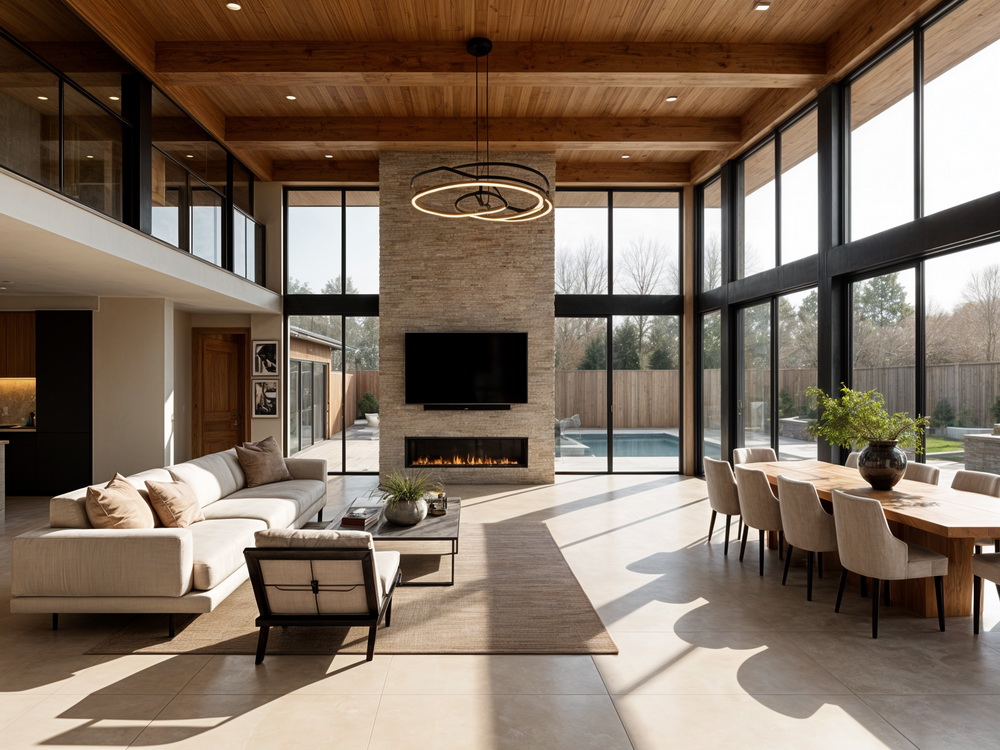
After more than ten years spent revitalizing everything from compact urban flats to expansive rural gardens, I’ve learned that great design isn’t an innate gift—it’s about applying tried-and-true principles. Whether you’re updating your lounge or transforming your backyard, these foundational rules will help you craft spaces that are both visually appealing and practical. The distinction between a space that feels “off” and one that exudes harmony often comes down to a handful of essential concepts anyone can master.
Universal Design Fundamentals for Any Setting
Achieving Visual Equilibrium
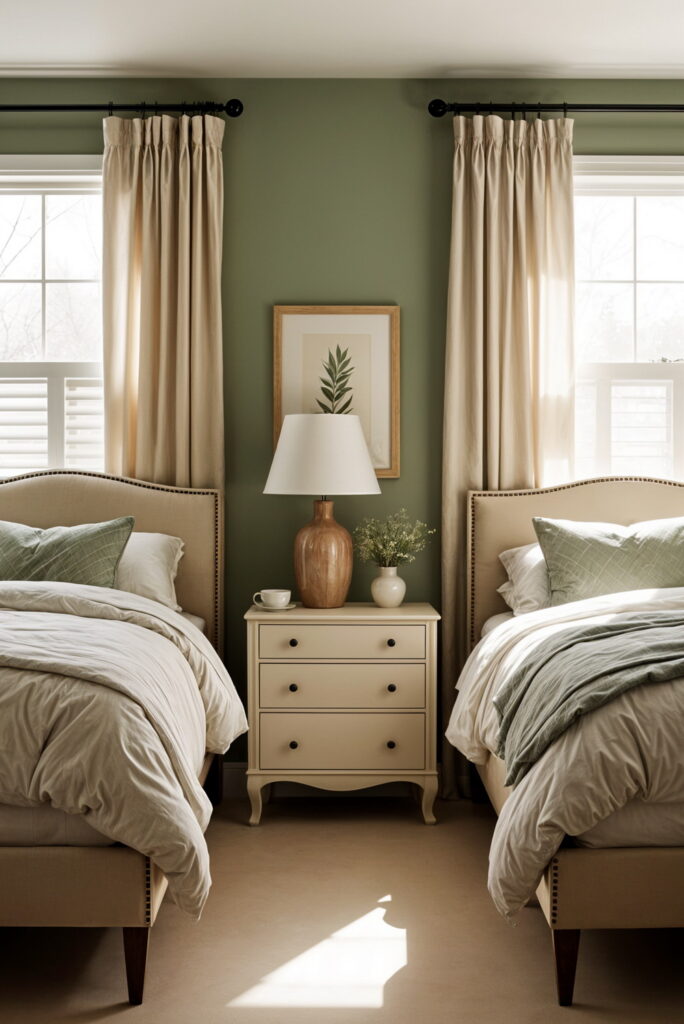
Creating a sense of balance is crucial for a harmonious environment. If a room feels unsettling but you can’t pinpoint the reason, chances are the visual weight is unevenly distributed. True balance isn’t about perfect symmetry—it’s about ensuring the elements in your space feel stable and intentional.
Types of Balance:
- Mirrored Symmetry: Arranging matching items on either side of a central line—ideal for formal rooms.
- Dynamic Asymmetry: Balancing different objects that have equal visual weight, lending a more relaxed vibe.
- Radial Harmony: Organizing elements around a central point, such as chairs around a round table.
Last year, while designing a client’s slender living room, we achieved a sense of asymmetrical harmony by placing a sectional sofa along one side and arranging two accent chairs with a sizable side table on the opposite end. This approach brought a feeling of balance to the space without making it look overly structured or conventional.
Mastering Scale and Proportion
Scale is about how furnishings relate to the size of the room, while proportion refers to how objects relate to each other. Getting these relationships right is key to a space that feels cohesive.
Essential Tips:
- Always measure your room before purchasing furniture.
- Leave 30–36 inches for walkways to ensure easy movement.
- Choose a coffee table about two-thirds the length of your sofa.
- Allow at least 24 inches per person at dining tables.
Establishing a Standout Feature
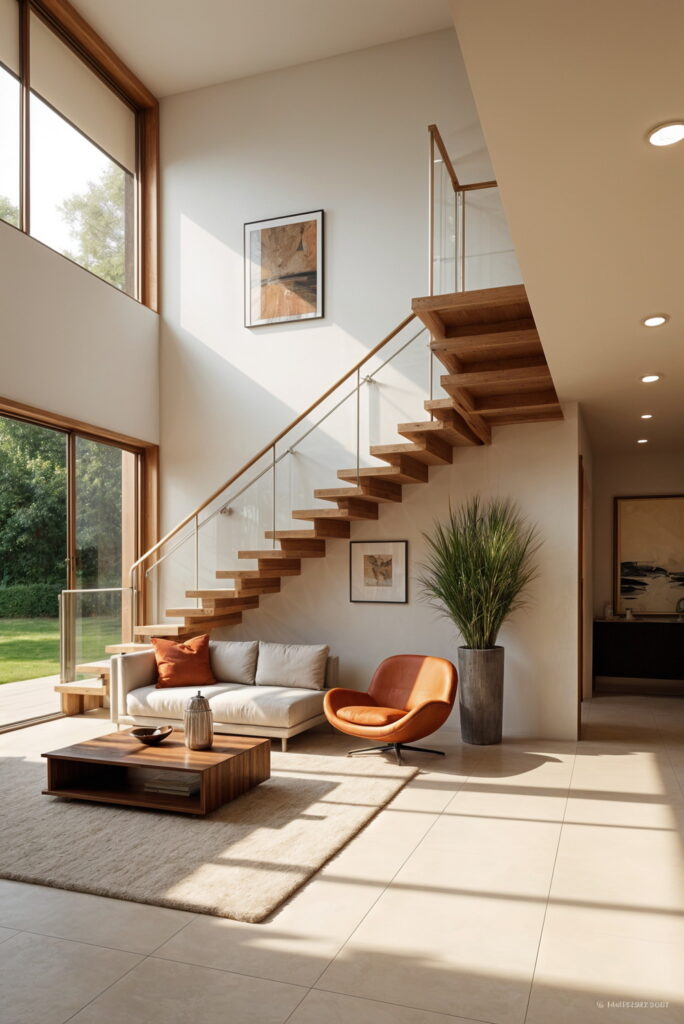
Every successful room or garden needs a focal point—a feature that instantly draws the eye. This could be a fireplace, a stunning window view, or a unique architectural detail.
In outdoor spaces, focal points might be a sculptural tree, a water feature, or a beautifully arranged seating area. Once you’ve chosen your focal point, arrange other elements to support, not compete with, it.
In a recent living room redesign for a client, we allowed the expansive windows with garden views to take center stage. Positioning the furniture to highlight this outlook and opting for understated window coverings, we emphasized and enhanced the seamless connection between the interior and the natural surroundings.
The 60-30-10 Rule for Color Harmony
This classic approach ensures a balanced color palette:
| Role | Percentage | Function | Examples |
|---|---|---|---|
| Main Color | 60% | Sets the backdrop | Walls, large furnishings, rugs |
| Secondary | 30% | Adds interest | Curtains, accent chairs, rugs |
| Accent | 10% | Provides energy | Cushions, artwork, small decor |
This formula keeps any one color from dominating and brings a sense of unity to the space.
Practical Interior Design Strategies
Begin with a Thoughtful Blueprint
Before you buy a single piece of furniture or select a paint color, develop a clear plan. Consider how the space will be used, the atmosphere you want to create, and what items are necessary. Skipping this step often leads to costly mistakes and mismatched furnishings.
Start by measuring and drawing a scaled floor plan. Think about how people will move through the space, where furniture will go, and how different zones will function. Digital planning tools or even graph paper can be invaluable for visualizing your ideas.
Prioritize Functionality
A beautiful room is useless if it doesn’t serve the needs of its occupants. Ask yourself:
- What activities will happen here?
- Who will use the space?
- What storage is needed?
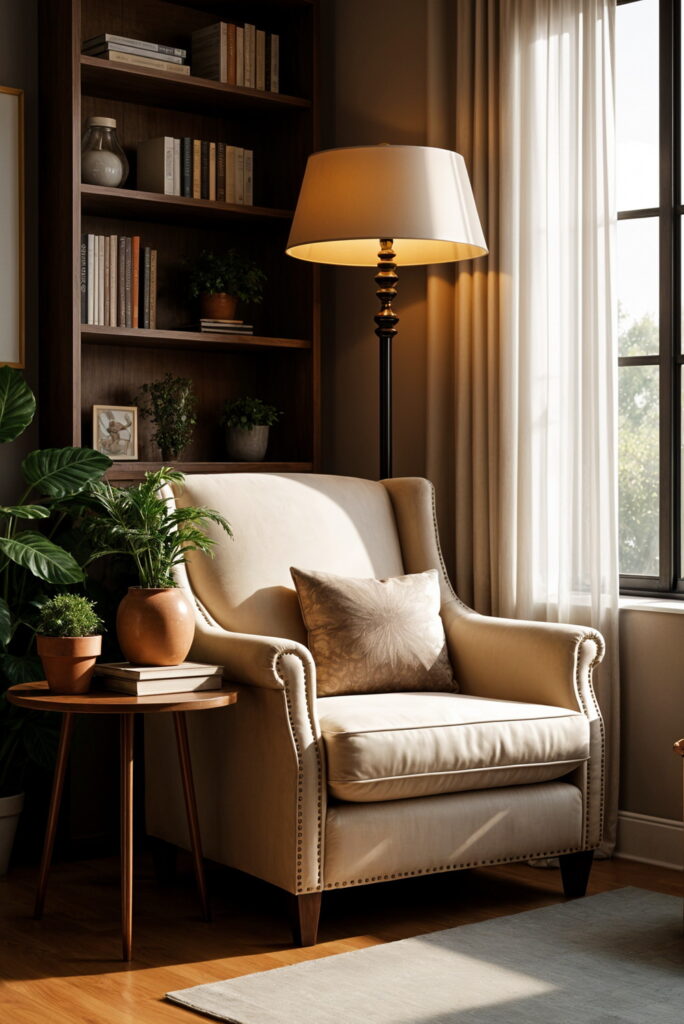
Spaces designed with function in mind—like family rooms with durable fabrics or reading nooks with perfect lighting—are always the most successful.
Layer Your Lighting
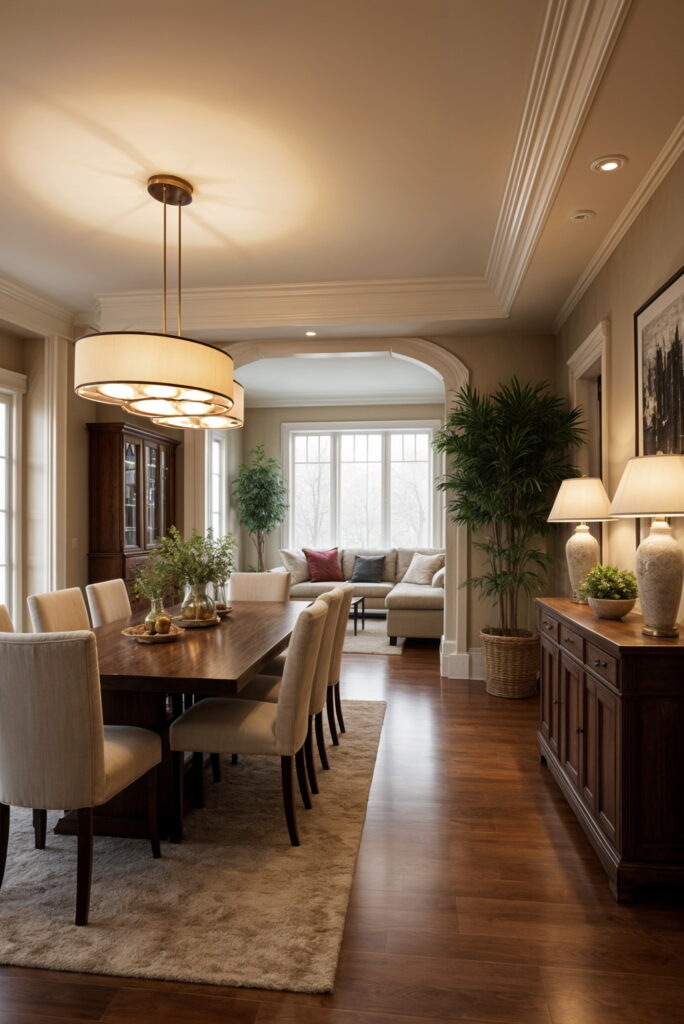
Lighting can make or break a space. Use three layers:
- General (Ambient): Overhead fixtures or recessed lights for overall brightness.
- Task: Focused lights for reading, cooking, or working.
- Accent: Wall sconces or spotlights to highlight art or architectural details.
In a recent project, we transformed a consistently dim living room into a warm and welcoming environment by installing recessed ceiling lights to provide ambient illumination, mounting wall sconces to accentuate the artwork, and placing three table lamps in key spots for comfortable reading. The change was dramatic, and the clients shared that they now spend much more time enjoying the space.
Value of Negative Space
Negative space, often referred to as “white space,” is the unoccupied area within your design. These open zones are essential—they give the eye a place to pause and ensure that key features are more noticeable.
A frequent mistake I encounter is the tendency to fill every available spot. Instead, be intentional about your selections. Often, what you choose to leave out can be just as impactful as what you decide to include.
Key Features of Popular Design Styles
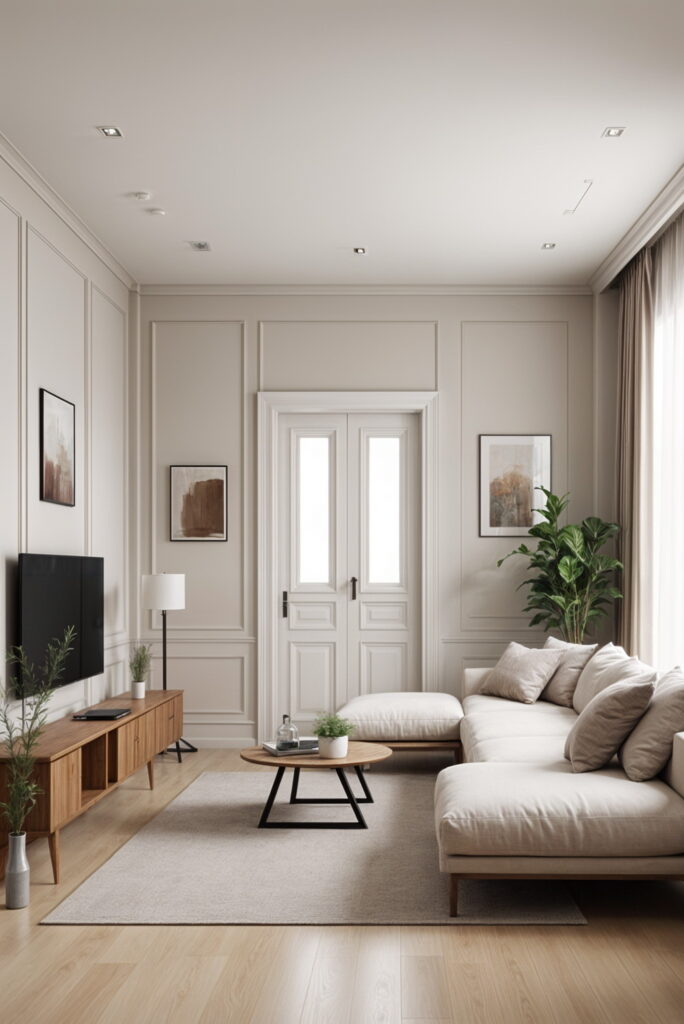
Each design style is defined by its own set of core principles. Below is a snapshot of some popular styles and the features that distinguish them.
Minimalism
- Keep only what’s essential
- Stick to neutral colors
- Focus on quality over quantity
- Add greenery for interest
- Use texture for warmth
Industrial
- Highlight structural elements (brick, metal, wood)
- Opt for muted, earthy tones
- Choose furniture with bold forms
- Make lighting a statement
Mid-Century Modern
- Favor clean lines and organic curves
- Use wooden furniture with tapered legs
- Incorporate geometric patterns and globe lights
Outdoor Design: Creating Inviting Landscapes
Site Assessment Comes First
Just as with interiors, outdoor design should start with careful observation:
- Track sunlight and shade throughout the day
- Note drainage and soil quality
- Identify existing plants worth keeping
- Consider privacy and sightlines
This evaluation underpins every choice we make. By embracing the natural features of a property instead of working against them, I’ve helped clients save thousands of dollars.
Choose Plants That Thrive
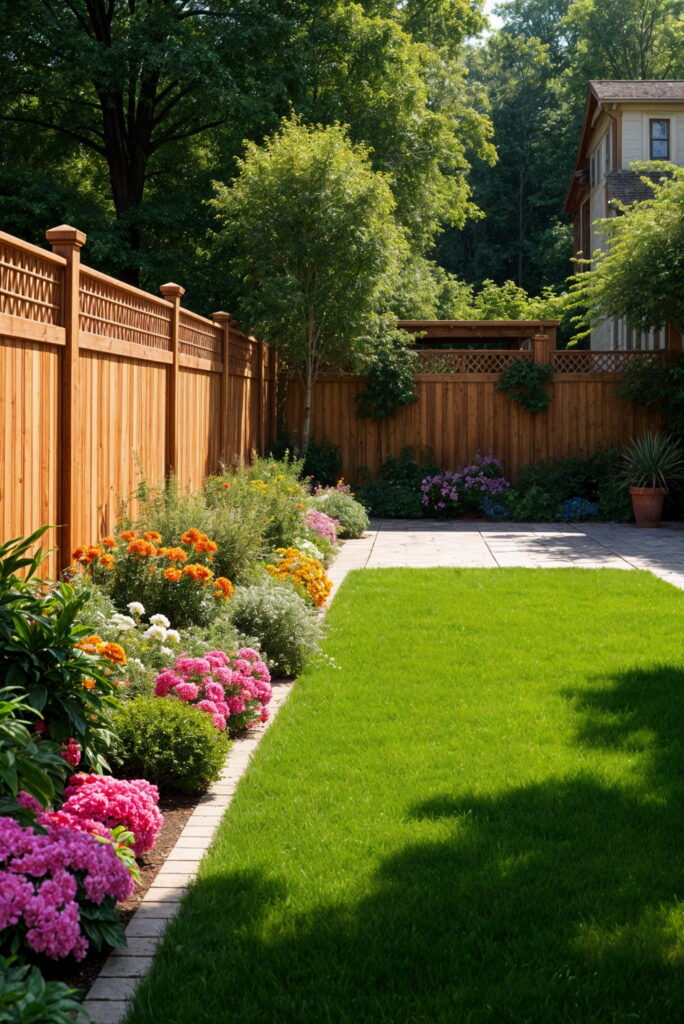
Thriving gardens are the result of choosing plants that suit their environment. Keep these factors in mind:
- Site conditions: Assess sunlight exposure, soil type, and water availability.
- Mature dimensions: Ensure there’s adequate space for each plant to grow to its full potential.
- Year-round appeal: Select plants that provide interest in every season.
- Upkeep requirements: Be honest about the level of maintenance you’re willing to commit.
When planning your garden, use a layered approach:
- Below ground: Bulbs and corms for added seasonal color
- Upper layer: Tall trees forming the canopy
- Mid layer: Shrubs and smaller trees
- Herbaceous layer: Perennials and ornamental grasses
- Ground layer: Low-growing ground covers
Define Outdoor “Rooms”
Thoughtfully planned gardens are experienced as a sequence of distinct zones, each offering its own mood and function. You can define these areas by:
- Incorporating vertical features like hedges, trellises, or pergolas
- Introducing changes in elevation or using different materials underfoot
- Creating transitions with arches or winding pathways
- Placing focal points that invite movement from one space to another
For example, a client approached us seeking a garden that offered both an area for entertaining and the charm of classic cottage-style plantings, all within a compact walled space. To achieve this, we defined separate “rooms” by incorporating arches that guided guests through the garden and established bold planting beds to create a sense of enclosure, transforming the space into a series of inviting discoveries.
Design Sustainably
Modern landscape design requires thoughtful consideration of its ecological footprint. Try incorporating these strategies:
- Use native or climate-adapted plants
- Install rainwater collection systems
- Replace lawns with diverse plantings
- Opt for permeable paving
- Choose local, sustainable materials
Real-World Examples: Design Principles at Work
Family Living Room Makeover
Challenge:
One of our clients needed their 12′ x 14′ living room to serve as a family hub, a space for entertaining, and a home office—all with limited wall space.
Solution:
- Chose a sectional sofa to maximize seating
- Added a round coffee table for easy movement
- Installed floating shelves for storage
- Created a layered lighting plan
- Used the 60-30-10 color rule for warmth and energy
Result:
The room now feels twice as spacious and suits every family activity.
Garden Transformation
Brief:
Design a koi pond, extend the patio, add terraced levels with gabion walls, install oak steps, and create vibrant flower beds, all while enhancing lighting.
Process:
- Conducted a thorough site study
- Designed interconnected garden “rooms”
- Chose native meadow plants
- Sourced local stone and sustainable materials
Result:
The garden now offers multiple experiences, from tranquil seating to dramatic water features, and is usable year-round.
Client Reflections: The Power of Expert Advice
One of our clients found that personalized garden coaching not only improved her gardening skills but also inspired her to start a small farm and CSA program—a life-changing experience sparked by a single consultation.
Another client shared that professional design guidance helped him avoid expensive mistakes, saving time and money compared to trial-and-error research. The ability to walk through the space with an expert made all the difference.
These stories echo what I’ve witnessed time and again: sometimes, a little expert support is all it takes to turn hesitation into confidence.
Frequent Pitfalls and How to Dodge Them
Overcrowding
A common mistake I encounter is overcrowding—whether it’s squeezing too much furniture into a room or overplanting in a garden. Negative space plays a crucial role, providing visual relief and allowing standout features to take center stage.
How to fix it: Be selective and intentional. Evaluate each piece or plant for its functional or visual value, and remove anything that doesn’t genuinely enhance the space.
Inadequate Lighting
Insufficient or poorly thought-out lighting can diminish the impact of even the most thoughtfully designed spaces. Relying only on ceiling fixtures often results in harsh shadows and fails to showcase key elements of the design.
How to address it:
Adopt a layered lighting strategy by incorporating ambient, task, and accent lighting in every room. For outdoor areas, use lighting to extend the space’s functionality into the evening and to highlight focal points or special features.
Ignoring Scale
Disproportionate elements can disrupt the harmony of a space, often seen when rugs are undersized, artwork is positioned too high, or plants eventually outgrow their allotted spots.
How to correct it:
Adhere to fundamental sizing and placement rules:
- Rugs should reach beneath all furniture legs, or at the very least, under the front legs.
- Hang artwork so the center sits at eye level, typically between 57 and 60 inches from the floor.
- Always check the mature size of plants before adding them to your design.
Skipping the Planning Stage
Making spur-of-the-moment purchases or tackling projects in bits and pieces often leads to interiors or landscapes that lack unity and feel fragmented.
How to avoid this:
Begin every project with a well-thought-out plan that covers functionality, overall style, color palette, furniture arrangement or planting layout, and budget parameters.
By following these timeless principles, anyone can create spaces—indoors or out—that are both beautiful and functional, full of personality, and uniquely suited to their needs.
Sources:
University of Florida IFAS Extension: Residential Landscape Design
(https://edis.ifas.ufl.edu/publication/EP375)
Royal Horticultural Society: Garden Design Information
(https://www.rhs.org.uk/garden-design/design-information-sources)
Elle Décor: Interior Design Ideas & Inspiration
(https://www.elledecor.com/)
Architectural Digest: Interior Design, Decor Trends, and Inspiration
(https://www.architecturaldigest.com/)
Houzz: Home Design, Decorating and Remodeling Ideas
(https://www.houzz.com/)