
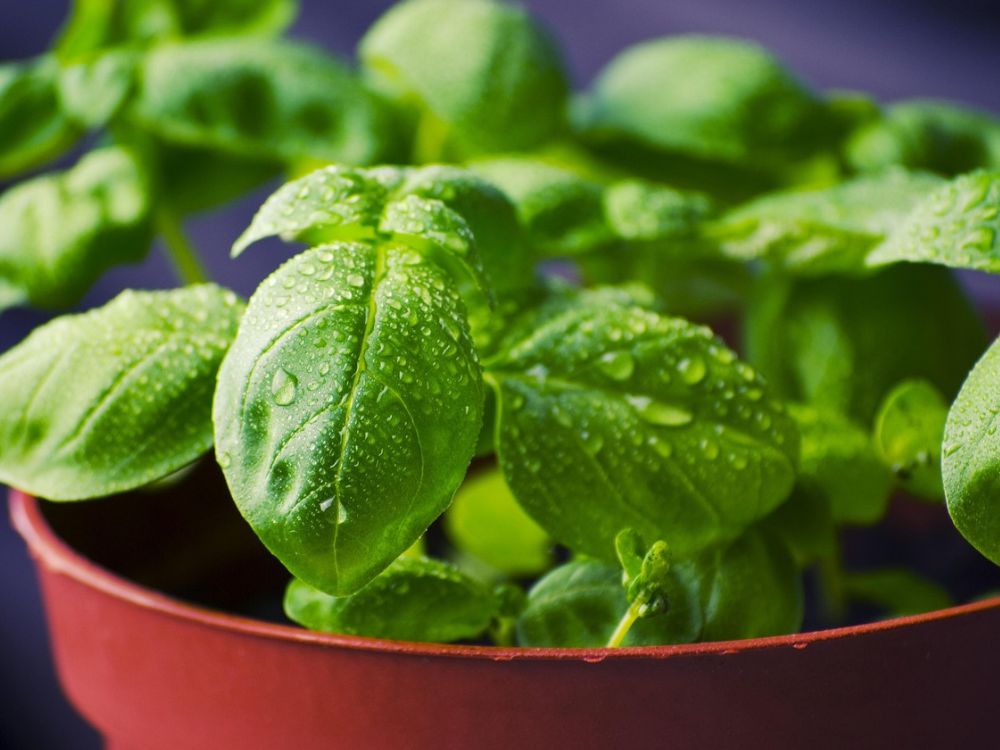
There’s something incredibly satisfying about cooking with herbs you’ve grown yourself. A handful of freshly picked basil can turn an ordinary pasta, salad, or pizza into something special—not just because of its flavor, but because you nurtured it from seed to sprout. Yet basil is notorious for being a little temperamental. One day it looks lush and aromatic, and the next it’s drooping, yellowing, or simply refusing to grow.
While watering habits, sunlight, and pruning all play a role, one of the most overlooked factors in keeping basil alive year-round is the condition of the soil itself. Basil is a nutrient-hungry herb, and over time, even well-cared-for plants will deplete the soil they’re growing in. That’s why periodically refreshing the soil—rather than planting in whatever dirt is left over in a pot—is one of the easiest and most effective ways to keep basil vigorous season after season.
Below is a deeper look at why soil refreshes matter, and how a few small seasonal adjustments can make the difference between basil that struggles and basil that flourishes.
Why Basil Struggles in Old or Compact Soil
Basil grows quickly, and fast-growing plants naturally consume nutrients at a faster rate. Even if you fertilize regularly, the plant eventually draws out much of what it needs from the soil, leaving behind a mixture that is drier, denser, and far less capable of supporting healthy growth.
Over time, soil also begins to compact—especially in pots and raised beds. Compacted soil loses its ability to hold oxygen and water properly, two things basil depends on to avoid root stress. The result? Leaves that wilt, stems that grow weak, and plants that bolt long before you get a chance to enjoy their flavor.
Refreshing the soil isn’t just about adding new nutrients. It’s about restoring the structure of the growing medium so basil roots can breathe, absorb moisture evenly, and develop a more resilient base.
How to Refresh Soil the Right Way
Whether you’re planting basil in a container, raised bed, or garden bed, a quick soil refresh can completely change the plant’s health and growth. Here’s how to do it effectively:
Clear out old debris
Start by removing weeds, dead leaves, and any leftover plant material. Old debris can harbor pests or fungal spores that stunt new growth.
Loosen the top layer
Use a hand rake, fork, or even your fingers to lightly break up the top 2–4 inches of soil. This simple action reintroduces airflow, releases compacted pockets, and prepares the soil to absorb amendments more efficiently.
Mix in nutrient-rich organic matter
Adding fresh organic material is the secret to reviving nutrient-depleted soil. You can use:
- Compost for balanced nutrients and moisture retention
- Worm castings for gentle, steady nourishment
- Aged manure to increase organic content and improve structure
Blend these into the loosened top layer rather than burying them too deeply—a method that creates a refreshed environment without disturbing the roots of established plants.
Refresh existing basil plants regularly
Even thriving basil benefits from a periodic top-up. Replacing the top few inches of soil every few months—especially when it begins looking pale, dry, or crumbly—helps give the plant a fresh supply of minerals and a better growing environment.
What Happens When You Refresh the Soil
The transformation can be dramatic. Freshened soil:
- Restores nutrient levels, ensuring basil has what it needs to produce lush foliage
- Improves soil texture, allowing roots to spread and absorb water more efficiently
- Boosts water retention, reducing both dry spells and overwatering issues
- Encourages continuous leaf production, especially when paired with proper pruning
Instead of basil that languishes mid-season, refreshed soil supports strong, steady growth throughout the year—no matter how often you harvest.
How to Reuse Old Soil Without Wasting It
Refreshing soil doesn’t mean throwing away what you already have. Old soil can absolutely be repurposed as long as it came from healthy plants.
Here are a few smart ways to reuse it:
Create a revival pile
Set aside used soil in a dedicated container or garden corner. Blend it with compost and let nature slowly rebuild its structure and nutrients.
Add it to your compost bin
Used soil mixes beautifully with kitchen scraps, dried leaves, and yard waste. Over time, it integrates into a nutrient-rich compost that’s even stronger than the original mix.
Use it in low-demand areas
Rejuvenated soil is perfectly fine for filling large planters, leveling beds, or supporting less nutrient-hungry plants.
By recycling soil this way, you maintain a sustainable gardening practice and ensure you always have a healthy supply ready for your next basil planting.
Healthy Soil Makes Healthy Basil
Basil may be one of the most beloved kitchen herbs, but it’s also one of the quickest to show signs of stress when its growing conditions deteriorate. A simple soil refresh—done a few times a year—can dramatically extend the life of your basil and keep it producing fragrant, flavorful leaves no matter the season.
Pair refreshed soil with regular pruning, steady watering, and plenty of sunlight, and you’ll have a thriving basil supply ready anytime you need that bright, herbaceous flavor in your cooking.