KEY POINTS
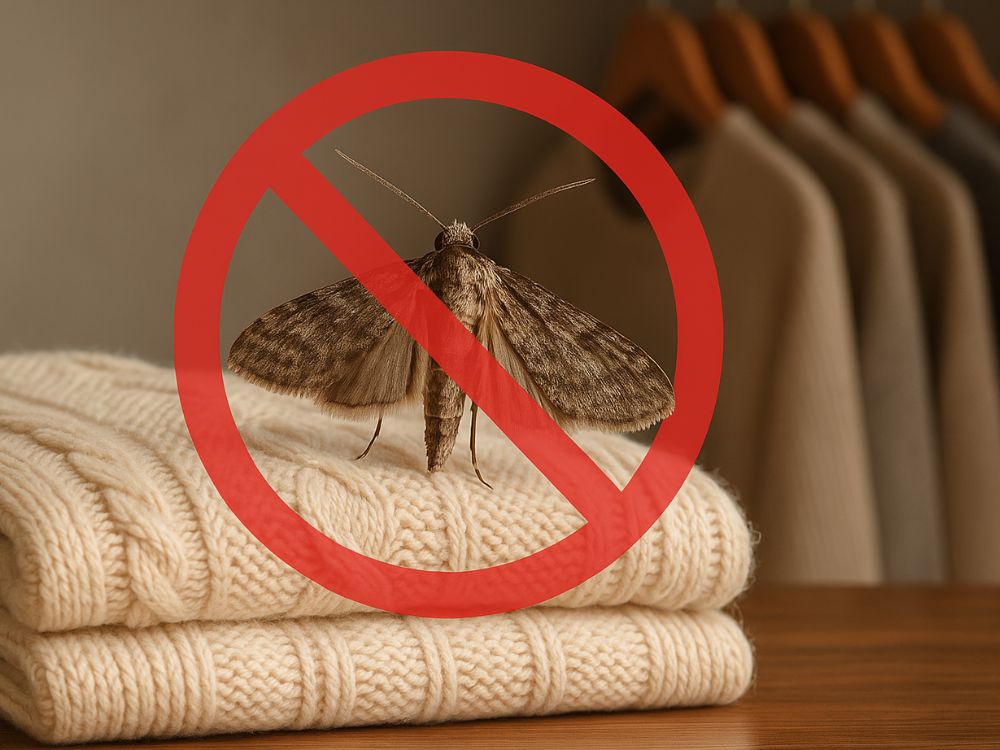
Moths target natural fibers like wool and cashmere, laying eggs that hatch into larvae which feed on your sweaters.
An untreated moth problem can grow quickly, as larvae continue damaging fabrics throughout the year.
You can prevent and control moth damage with natural repellents, freezing treatments, regular cleaning, and proper storage habits.
Moths might look harmless, but their larvae can quietly destroy your favorite wool and cashmere pieces before you even notice. These tiny pests thrive in dark, undisturbed spaces and lay eggs on natural fibers, where the newly hatched larvae feed on the proteins found in wool, cashmere, silk, and other animal-based materials. If not managed early, moths can reproduce continuously and cause long-term damage to your wardrobe.
The good news? With the right preventative steps—smart storage habits, regular cleaning, natural repellents, and targeted treatments—you can keep your sweaters in beautiful condition year after year. Below is a complete guide to identifying, preventing, and stopping moth damage.
Identify Whether You Actually Have a Moth Problem
Finding a random moth at home doesn’t automatically mean your clothes are in danger. To confirm an infestation, start by placing a pheromone moth trap inside your closet. These small sticky traps attract male moths, preventing them from mating with females and helping you gauge whether they’re present.
For accurate results, keep the closet door closed while the trap is in place. If several moths show up, it’s a clear sign you need to take action. At that point, inspect your sweaters—especially wool and cashmere—for tiny holes, shedding fibers, or web-like residue left behind by larvae.
Chemical Moth Deterrents (Use With Care)
Traditional mothballs are well known for a reason—they’re effective. They contain strong chemicals, like naphthalene or paradichlorobenzene (PDB), which repel and kill moths. If you choose this option, keep the products sealed inside airtight bins or containers for two to three weeks. Always follow the safety instructions carefully, as these chemicals have strong odors and should never be used in open living spaces.
Natural Moth Repellents: Lavender, Cedar & More
If you prefer a chemical-free approach, there are several natural options that help keep moths away. Dried lavender is one of the most effective deterrents—its scent is pleasant for humans but repels moths. For best results, place lavender sachets or bundles wrapped in acid-free tissue inside sealed drawers, garment bags, and storage bins. Keep in mind that freshness matters: the stronger the scent, the better the protection. Refresh or replace your lavender every season.
Cedar is another powerful natural moth repellent. Cedar blocks, rings, chips, or hangers release oils that help repel moths and absorb excess moisture. However, cedar loses its effectiveness over time, so it’s important to sand the wood lightly or apply cedar oil every few months to reactivate its scent.
Other natural options include clove, thyme, and mint sachets, which can be placed in small breathable bags and tucked into drawers or storage boxes. While these methods don’t kill moths, they work well as part of a layered prevention strategy to keep your sweaters protected.
Use Freezing Temperatures to Kill Eggs and Larvae
Freezing is an easy, non-chemical way to eliminate moth eggs and larvae hiding in your sweaters. Here’s how:
- Place each sweater in a sealed plastic bag.
- Freeze at 0°F (-18°C) or colder for at least 72 hours.
- Remove the sweater, allow it to thaw inside the bag to prevent condensation.
- Wash gently with cool water and lay flat to dry.
This method is especially helpful if you suspect early activity but don’t see visible damage yet.
Keep Sweaters Clean Before Storing
Moths aren’t drawn to clean fabric—they’re attracted to sweat, body oils, food stains, and even traces of detergent. Before you store a sweater for the season, inspect it carefully, wash it according to the care label, and make sure it’s fully rinsed. For wool and cashmere labeled “dry clean only,” send them to a professional cleaner before packing them away.
Clean and Maintain Storage Areas Regularly
Your sweaters may be clean, but moths can still find food sources inside your closet. Vacuum shelves, drawers, and closet floors every season—especially corners where lint, hair, crumbs, and pet fur collect. These organic materials can sustain moth larvae even if your clothes are clean.
Store Sweaters the Right Way
Proper storage is the strongest long-term defense. Moths cannot chew through plastic bins or tightly woven cotton bags, making them ideal for protecting wool garments.
- Cotton garment bags are best for breathability and preventing moisture buildup.
- Plastic bins keep moths out but must stay in dry, cool areas to avoid mildew.
- Avoid storing sweaters in damp basements or humid spaces—these environments encourage moth activity.
Choose a clean, dry place and seal your sweaters inside protective containers for the season.
Moths can be stubborn, but they’re controllable with consistent habits. By staying vigilant, keeping clothes fresh, and storing them properly, you can ensure your favorite knits stay beautiful for years. A little prevention goes a long way when it comes to protecting delicate fabrics.