
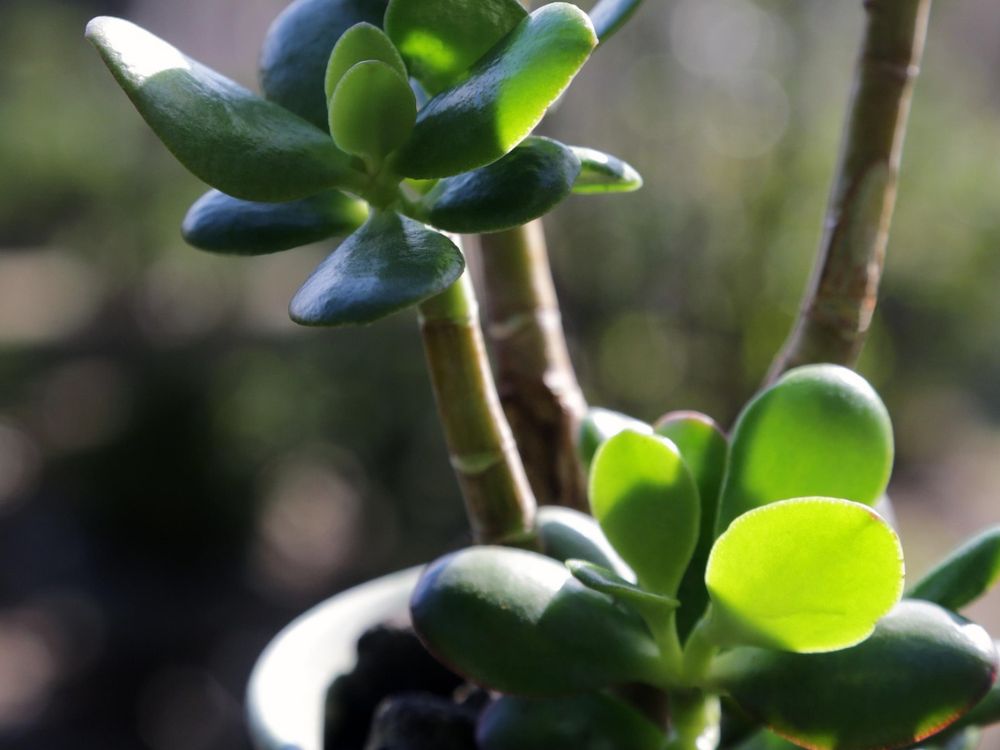
Jade plants are known for being sturdy, forgiving, and incredibly long-lived, but winter is the one season when even this resilient succulent needs a slightly different approach. As daylight fades and indoor temperatures shift, jade plants naturally slow their growth, enter a mild rest period, and become more sensitive to common mistakes many plant owners make without noticing.
The good news? A few thoughtful adjustments in placement, watering, and light exposure can help your jade plant glide through winter without stress—and emerge in spring looking stronger than ever.
Below is a polished, expanded guide to keeping your jade plant healthy during the colder months, even if your home gets a little dry, dim, or drafty once winter settles in.

Understanding Your Jade Plant’s Winter Slow-Down
Winter doesn’t put jade plants into a full dormancy, but it does nudge them into a slower rhythm. Growth pauses. Water use drops. Leaf production stalls. This is completely normal, yet many people treat their jade plant the same way they do in summer—creating problems that only appear weeks later.
Because jades store water in their leaves, stems, and roots, they rely far less on frequent watering in winter. The soil may stay damp longer, and a watering schedule that normally works in July can cause root rot in December. Cold surfaces, low light, and indoor drafts also play a bigger role this time of year. A jade plant touching a chilly window overnight is often enough to cause limp leaves or softened stems.
This seasonal shift isn’t dramatic, but it’s important. Understanding how your plant behaves in winter puts you in a better position to help it conserve energy without sacrificing its overall health.
Adjust Your Watering Routine: Less Is More in Winter
The number one winter mistake with jade plants is overwatering. Because growth slows, the plant absorbs water much more slowly than it does in warm, sunny months.
A good winter rule is simple:
✔️ Only water when the soil is completely dry from top to bottom.
Allow several days—even a week or more—between waterings. The soil should feel dry not just at the surface but also deeper in the pot. When in doubt, wait another day. Jade plants are far more tolerant of dryness than excess moisture.
Signs you’re watering correctly:
- Leaves feel plump but firm
- No yellow, mushy, or translucent spots
- Soil dries out consistently before each watering
Signs of overwatering:
- Drooping leaves
- Leaves falling off at a light touch
- Branches softening near the base
- Persistent dampness around roots
Winter watering should feel cautious and controlled, giving the plant enough moisture to maintain its structure without sitting in soggy soil.
Pull Back on Fertilizer Until Spring Returns
Jade plants simply don’t need fertilizer in winter unless they’re kept under very bright, consistent light. With their growth slowed, they’re not actively absorbing nutrients—and leftover fertilizer can build up in the soil and damage the roots.
To keep things simple:
✔️ Pause all feeding until you see fresh spring growth.
If your jade lives near a strong southern window and grows more than most plants in winter, you can use a diluted fertilizer once every 6–8 weeks. Otherwise, wait until days get longer.
Give Your Jade Plant Brighter Light—South-Facing Windows Are Ideal
Light is the second biggest challenge for jade plants in winter. They love bright, direct sunlight, and shorter days often aren’t enough.
To prevent stretched stems, drooping leaves, or patchy color, move your jade to the brightest spot you have—ideally near a south-facing window, where winter light is strongest.
If your home stays dim or you live in a region with cloudy winters, a small grow light can make a dramatic difference. Keep it on for 6–10 hours a day, positioned about 6–12 inches above the plant.
A properly lit jade plant will show:
- Compact, sturdy growth
- Leaf edges that may blush slightly red
- No sign of leaning toward the window
Weak light doesn’t kill a jade immediately, but recovery is much easier if you prevent the issue instead of reversing it in spring.
Protect Your Jade Plant from Drafts and Cold Windows
Even though jade plants handle a wide range of indoor temperatures, they dislike sudden cold drafts. Winter is when heating systems turn on and windows become cold to the touch—two conditions that can stress a succulent.
To avoid chilling the foliage:
- Move your jade slightly away from cold windows
- Keep it out of the path of heating vents, fans, or frequently opened doors
- Avoid letting leaves rest directly against cold glass
A chilled jade plant might show soft leaves, pale coloring, or a sudden droop in one section of the plant.
Simply shifting the pot a few inches forward can be enough to prevent cold damage during the night.
Hold Off on Repotting Until Active Growth Returns
Winter isn’t the time for major changes. Jade plants prefer being slightly root-bound and respond best to repotting when growth restarts in spring or early summer.
Repot only if:
- The plant is tipping over because it’s top-heavy
- Roots are growing out of drainage holes
- Soil has compacted beyond repair
Otherwise, wait. Repotting during winter can interrupt the plant’s natural rest period and cause unnecessary stress.
When spring arrives, a new pot and fresh soil will support healthy new growth much more effectively.
Keep Expectations Realistic—Winter Is a Resting Season
It’s normal for a jade plant to look “quiet” in winter. You may not see new leaves, and some older foliage may thin slightly as the plant conserves energy. What matters is keeping conditions stable so it can rebound beautifully when the days lengthen.
With a little attention to watering, placement, and temperature, you can help your jade plant remain stable throughout the coldest months and set it up for vibrant, active growth in spring.
Winter care for jade plants doesn’t have to be complicated. Once you understand the plant’s natural seasonal rhythm, the adjustments you make feel intuitive rather than overwhelming. A brighter window, controlled watering, and protection from cold drafts are usually all it takes to help your Crassula ovata stay strong through winter.
By tuning in to what your jade plant needs during this slower season, you’re not just preventing problems—you’re preparing the plant for its most rewarding period of growth once spring returns.